
Is Sleeping with AC Affecting Your Sinuses?
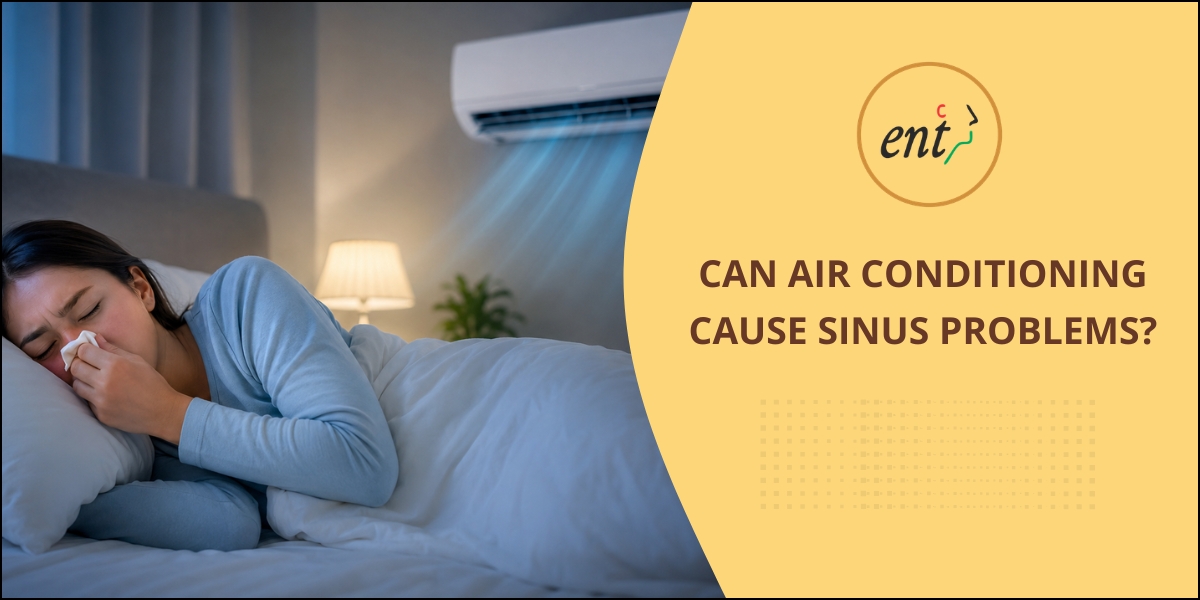
Many people enjoy sleeping in an air-conditioned room, especially during hot summer nights. While AC helps you sleep comfortably, some people wake up with a blocked nose, dry throat, headache, or facial pressure. This often leads to one common question: Can sleeping with AC affect your sinuses?
The answer is yes, it can—but not for everyone. Air conditioning itself does not cause sinus infections, but it can create conditions that make sinus problems worse, especially if you already have allergies or sensitive nasal passages.
If you frequently experience sinus discomfort after sleeping in an air-conditioned room, understanding the cause can help you prevent future problems.
What Are Sinuses?
Sinuses are air-filled spaces located behind your forehead, cheeks, and nose. They produce mucus that keeps your nasal passages moist and helps trap dust, bacteria, and allergens.
When the lining of the sinuses becomes irritated or swollen, mucus cannot drain properly. This can lead to congestion, facial pain, headaches, and sometimes sinus infections.
Must Read Article : Chronic Sinusitis: When Is It Time for Functional Endoscopic Sinus Surgery
How Does Air Conditioning Affect Your Sinuses?
Air conditioners remove moisture from the air to keep rooms cool. While this creates a comfortable temperature, it also makes the air much drier.
1. Dry Nasal Passages
Dry air can reduce the moisture inside your nose. This dries out the protective mucus layer, making your nose feel irritated and increasing the risk of inflammation.
2. Thick Mucus
When your nasal passages become dry, mucus becomes thicker and stickier. Thick mucus is harder to drain, which may result in blocked sinuses and pressure around the face.
3. Dust and Allergens
If AC filters are not cleaned regularly, they may circulate dust, pollen, mold spores, and other allergens throughout the room. These particles can trigger allergies and worsen sinus symptoms.
4. Sudden Temperature Changes
Moving repeatedly between hot outdoor temperatures and a cold AC room may irritate the nasal lining in some people, leading to congestion or sneezing.
Common Symptoms You May Notice
If your AC is affecting your sinuses, you may wake up with:
- Stuffy or blocked nose
- Dry nose or throat
- Sneezing
- Facial pressure or pain
- Headache
- Thick nasal mucus
- Mild cough due to postnasal drip
These symptoms often improve once your nasal passages regain moisture.
Who Is More Likely to Be Affected?
Certain people are more sensitive to air-conditioned environments, including:
- People with allergies
- Individuals with chronic sinusitis
- Asthma patients
- Those with a deviated nasal septum
- People suffering from frequent colds
- Elderly individuals and children
If you fall into any of these groups, you may notice sinus symptoms more often while sleeping with the AC on.
Tips to Protect Your Sinuses While Sleeping with AC
Keep the Temperature Comfortable
Avoid setting the AC at extremely low temperatures. A room temperature between 24°C and 26°C is generally more comfortable for most people.
Stay Hydrated
Drink enough water throughout the day to keep your body’s natural mucus moist.
Use a Humidifier
A humidifier can add moisture back into the room and reduce dryness caused by air conditioning.
Clean AC Filters Regularly
Dirty filters collect dust, mold, and allergens. Cleaning or replacing filters on time helps improve indoor air quality.
Use Saline Nasal Spray
Saline sprays or nasal rinses help moisturize the nasal lining and remove allergens from the nose before bedtime.
Maintain Bedroom Hygiene
Wash bedsheets regularly and reduce dust accumulation to minimize allergy triggers.
When Should You See an ENT Specialist?
Occasional dryness is usually not a serious concern. However, you should consult an ENT specialist if you experience:
- Sinus symptoms lasting more than 10 days
- Frequent sinus infections
- Severe facial pain
- Thick yellow or green nasal discharge
- Fever with sinus symptoms
- Difficulty breathing through the nose
- Recurring headaches associated with nasal blockage
An ENT doctor can identify the underlying cause and recommend appropriate treatment before the condition becomes chronic.
Treatment Options for Sinus Problems
Treatment depends on the cause of your symptoms and may include:
- Saline nasal irrigation
- Allergy medications
- Nasal steroid sprays
- Steam inhalation
- Antibiotics (only when bacterial infection is confirmed)
- Treatment for structural problems such as a deviated septum, if necessary
Avoid self-medicating with antibiotics, as many sinus problems are caused by allergies or viral infections rather than bacteria.
Final Thoughts
Sleeping with the AC does not directly cause sinus infections, but dry air, poor AC maintenance, and allergens can contribute to nasal irritation and sinus discomfort. Fortunately, simple steps like cleaning AC filters, staying hydrated, using saline sprays, and maintaining a comfortable room temperature can significantly reduce symptoms.
If you continue to experience frequent sinus issues despite these measures, it is important to seek expert medical advice.
Consult Dr. Rohit Prasad – ENT Specialist in Bhosari, Moshi
If you suffer from recurring sinus problems, blocked nose, allergies, ear infections, or throat-related conditions, Dr. Rohit Prasad – Best ENT Doctor in Bhosari, Moshi provides comprehensive evaluation and personalized treatment. Dr. Rohit Prasad helps identify the root cause of sinus problems and offers effective treatment plans to improve your breathing, sleep, and overall quality of life.