
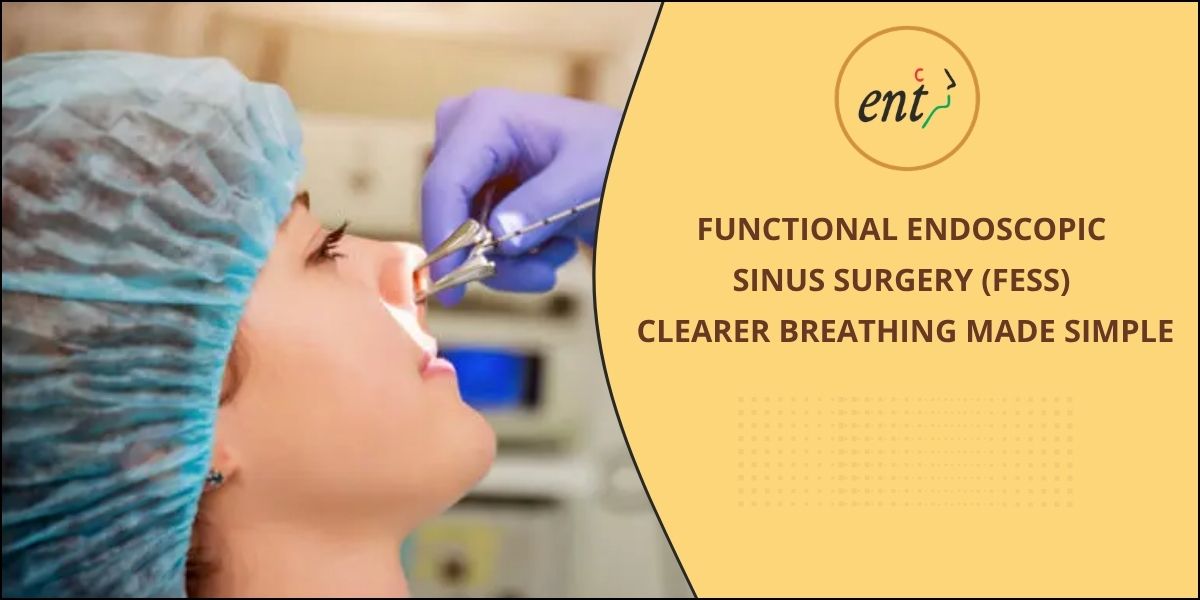
Functional Endoscopic Sinus Surgery (FESS): Clearer Breathing Made Simple Breathing freely through your nose may seem like something you should never have to think about. But for people with long-term sinus problems, blocked noses, facial pressure, headaches, or repeated sinus infections, normal breathing can become a daily struggle. Medicines, nasal sprays, and other treatments can often control sinus symptoms. However, when sinus problems continue despite appropriate medical treatment, your ENT specialist may recommend Functional Endoscopic Sinus Surgery (FESS). FESS is a minimally invasive sinus surgery designed to improve the natural drainage and ventilation of the sinuses. The goal is simple: to help your sinuses function better and make breathing more comfortable. What Is Functional Endoscopic Sinus Surgery? Functional Endoscopic Sinus Surgery, commonly called FESS, is a procedure used to treat certain chronic sinus conditions. During FESS, an ENT surgeon uses a thin instrument called an endoscope. It has a small camera that allows the surgeon to see inside the nose and sinus passages without making external cuts on the face. The surgeon carefully opens blocked sinus drainage pathways and removes tissue or other blockages when necessary. This helps improve the movement of air and drainage of mucus from the sinuses. Unlike older sinus surgery techniques, FESS focuses on treating the problem while preserving as much healthy tissue as possible. Why Do Sinuses Get Blocked? The sinuses are air-filled spaces around your nose, cheeks, eyes, and forehead. Normally, mucus produced inside the sinuses drains through small openings into the nasal cavity. These drainage pathways can become blocked because of: Chronic sinusitis Nasal polyps Swollen nasal tissues Repeated sinus infections A deviated nasal septum Certain anatomical problems Inflammation caused by allergies or other conditions When drainage is blocked, mucus can build up and create an environment where inflammation and infection may persist. When Might FESS Be Recommended? Not everyone with sinus problems needs surgery. In many cases, ENT doctors first try appropriate medical treatment. FESS may be considered when symptoms continue or repeatedly return despite medical management. Common symptoms that may lead to an ENT evaluation include: Long-lasting nasal blockage Difficulty breathing through the nose Repeated sinus infections Facial pressure or pain Thick nasal discharge Reduced sense of smell Post-nasal drip Persistent sinus-related headaches Chronic inflammation of the sinuses Your ENT specialist may use a nasal endoscopy and, when appropriate, a CT scan of the sinuses to understand the condition before recommending surgery. How Is FESS Performed? FESS is generally performed through the nostrils, so there are usually no visible external cuts. The procedure typically involves these steps: 1. Examination of the sinus passages:The surgeon uses an endoscope to identify areas that are blocked or inflamed. 2. Opening blocked drainage pathways:The surgeon carefully enlarges the natural openings of the affected sinuses to improve drainage and ventilation. 3. Removing blockages:If polyps, diseased tissue, or other obstructions are present, they may be removed as needed. 4. Preserving healthy tissue:The procedure aims to address the underlying blockage while preserving normal structures as much as possible. The exact procedure varies from person to person depending on the cause and extent of sinus disease. What Are the Benefits of FESS? The main purpose of FESS is to restore better sinus drainage and function. Depending on the underlying condition, patients may experience improvements such as: Easier nasal breathing Better sinus drainage Fewer recurrent sinus infections Reduced nasal blockage Improvement in facial pressure Better sense of smell in some patients Improved quality of life It is important to understand that results can vary. FESS treats structural or persistent sinus problems, but some underlying conditions, such as allergies or chronic inflammation, may still require ongoing medical care. Is FESS a Painful Procedure? Because FESS is performed under anaesthesia, you should not feel pain during the procedure. After surgery, some patients experience temporary nasal blockage, mild discomfort, pressure, or a feeling of congestion. Your ENT specialist will provide instructions regarding medicines, nasal care, and follow-up. Recovery is different for every person and depends on the extent of surgery and individual health factors. What Can You Expect After FESS? Following FESS, proper aftercare is an important part of recovery. Your doctor may recommend: Saline nasal rinses Prescribed medications Avoiding strenuous activities for a specific period Keeping follow-up appointments Regular cleaning of the nasal passages when advised You may not experience the full benefit immediately because swelling and healing inside the nose can take time. Following your ENT specialist’s instructions can help support proper healing and reduce the chance of complications. Is FESS Right for Everyone? FESS is not automatically the right treatment for every person with sinus symptoms. An ENT specialist will consider your symptoms, medical history, nasal examination, response to previous treatment, and imaging findings before recommending surgery. If your symptoms are caused primarily by allergies, for example, controlling the allergy may be an important part of treatment. In other cases, a structural problem or chronic sinus disease may make surgery more appropriate. The best treatment is therefore based on the cause of your sinus problem, rather than symptoms alone. Functional Endoscopic Sinus Surgery in Bhosari, Pune If you are dealing with persistent sinus problems, nasal blockage, recurrent sinus infections, or difficulty breathing through your nose, an evaluation by an experienced ENT specialist can help identify the underlying cause. Dr. Prasad ENT Hospital offers Functional Endoscopic Sinus Surgery in Bhosari, Pune, with evaluation and treatment planned according to the individual patient’s sinus condition. If medicines and other conservative treatments have not provided sufficient relief, an ENT consultation can help determine whether FESS or another treatment option may be appropriate for you. The focus is on improving sinus drainage, nasal breathing, and overall comfort while addressing the underlying problem. Frequently Asked Questions About FESS 1. What does FESS stand for? FESS stands for Functional Endoscopic Sinus Surgery. It is a minimally invasive procedure used to improve sinus drainage and treat certain chronic sinus conditions. 2. Is FESS done through the nose? Yes. FESS is generally performed through the nostrils using an
Causes of Frequent Nosebleeds
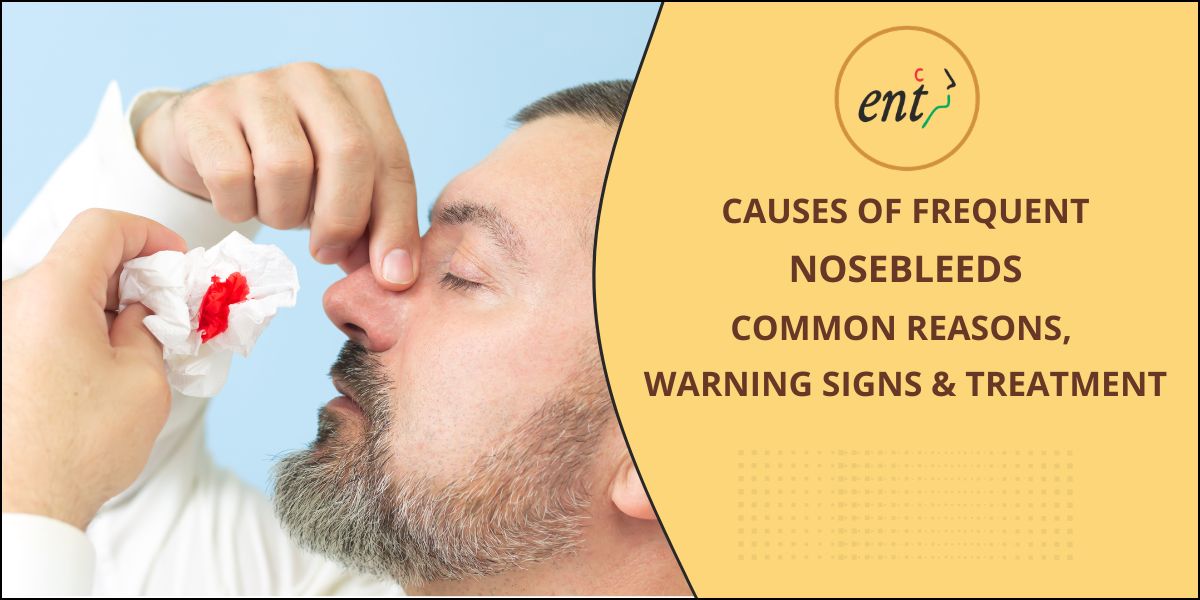
Causes of Frequent Nosebleeds A nosebleed, medically known as epistaxis, can happen suddenly and may look alarming. In many cases, nosebleeds are minor and stop within a few minutes. However, if you experience frequent nosebleeds, it is important to understand why they are happening rather than simply treating the bleeding each time. Frequent nosebleeds can result from something as simple as dry air or nose picking, but they can also be associated with allergies, infections, certain medications, or underlying health conditions. Knowing the possible causes can help you decide when medical evaluation is necessary. What Causes Frequent Nosebleeds? 1. Dry Air and Nasal Irritation Dry weather, air conditioning, and excessive use of room heaters can dry out the delicate lining inside the nose. When the nasal tissue becomes dry and develops small cracks, the tiny blood vessels can bleed easily. This is one of the most common reasons for recurring nosebleeds. 2. Nose Picking or Excessive Nose Blowing The blood vessels near the front of the nose are delicate and close to the surface. Frequent nose picking, rubbing the nose, or blowing it forcefully can damage these vessels and cause bleeding. 3. Allergies and Frequent Sneezing Allergic rhinitis can cause nasal congestion, itching, sneezing, and irritation. Repeated sneezing and rubbing of the nose may injure the nasal lining. People with chronic allergies may therefore experience repeated episodes of nosebleeds. 4. Nasal Infections Colds, sinus infections, and other nasal infections can inflame the nasal passages. Increased mucus, frequent nose blowing, and inflammation may make the blood vessels more vulnerable to bleeding. 5. Deviated Nasal Septum A deviated septum occurs when the wall separating the two nasal passages is displaced. It can cause uneven airflow and dryness in one part of the nose, potentially contributing to recurrent nosebleeds, nasal blockage, or breathing difficulties. 6. Certain Medicines Some medicines can increase the likelihood or severity of nosebleeds. Blood-thinning medicines, for example, can make it harder for bleeding to stop. Certain nasal sprays may also cause irritation or dryness when used incorrectly or excessively. If you take regular medication and are experiencing frequent nosebleeds, do not stop it on your own. Discuss the problem with your doctor. 7. High Blood Pressure High blood pressure does not usually cause every nosebleed, but uncontrolled blood pressure may contribute to prolonged or difficult-to-stop bleeding in some people. Adults with recurrent nosebleeds may therefore benefit from having their blood pressure checked. 8. Injury to the Nose A blow to the nose, sports injury, accidental impact, or even repeated minor trauma can damage nasal blood vessels. A nosebleed following a significant injury should be assessed, particularly if there is severe pain, swelling, deformity, or difficulty breathing. 9. Nasal Polyps or Other Nasal Conditions Structural problems inside the nose, including nasal polyps and other growths, can sometimes contribute to recurrent bleeding. Persistent one-sided nosebleeds, especially when accompanied by nasal blockage or discharge, should not be ignored. 10. Blood or Bleeding Disorders Less commonly, frequent or unusually heavy nosebleeds may be associated with problems affecting blood clotting or platelet function. This possibility becomes more important when nosebleeds occur along with easy bruising, bleeding gums, or prolonged bleeding from minor cuts. When Should You See a Doctor for Nosebleeds? Occasional nosebleeds are often not serious. However, medical evaluation is recommended if your nosebleeds are frequent, heavy, recurrent, or difficult to stop. You should seek prompt medical attention if bleeding continues despite applying appropriate pressure, follows a significant injury, causes weakness or dizziness, or occurs along with other unusual bleeding symptoms. A doctor may examine the inside of your nose to identify the source of bleeding and determine whether dryness, infection, a structural issue, medication, or another underlying condition is responsible. Depending on the cause, treatment may include nasal moisturization, medication, cauterization, or treatment of an underlying nasal condition. What Should You Do During a Nosebleed? Sit upright and lean slightly forward. Pinch the soft part of your nose continuously for about 10–15 minutes while breathing through your mouth. Avoid tilting your head backward, as this can cause blood to run down the throat. Once the bleeding stops, avoid forceful nose blowing, picking, or strenuous activity for a short period to reduce the chance of another episode. Nosebleed Treatment in Bhosari If you are experiencing repeated nosebleeds, identifying the underlying cause is more important than simply stopping the bleeding temporarily. Dr. Rohit Prasad, an ENT specialist in Bhosari, provides evaluation and treatment for nosebleeds and other ear, nose, and throat conditions. If you are looking for the best doctor for nosebleed treatment in Bhosari, consulting an experienced ENT specialist can help determine why the bleeding keeps recurring and whether further treatment is required. FAQs 1. What is the most common cause of frequent nosebleeds?Dry nasal passages, irritation, nose picking, allergies, and forceful nose blowing are common causes. 2. Can high blood pressure cause nosebleeds?Uncontrolled high blood pressure may contribute to prolonged or difficult-to-control bleeding in some cases. 3. Are frequent nosebleeds serious?Usually not, but recurrent, heavy, or difficult-to-stop nosebleeds should be evaluated by an ENT specialist. 4. How can I stop a nosebleed quickly?Sit upright, lean forward, and firmly pinch the soft part of your nose for 10–15 minutes. 5. When should I see an ENT doctor for nosebleeds?See an ENT specialist if nosebleeds happen repeatedly, are heavy, last longer than expected, or occur with other concerning symptoms. Recent Post Causes of Frequent Nosebleeds Is Sleeping with AC Affecting Your Sinuses? Nasal Polyps: Symptoms and Treatment Options कानातील मळ काढण्याची सुरक्षित पद्धत खर्राटे क्यों आते हैं और इलाज क्या है? contact us Name(Required) First Phone(Required)Your Message(Required)CAPTCHA
Is Sleeping with AC Affecting Your Sinuses?
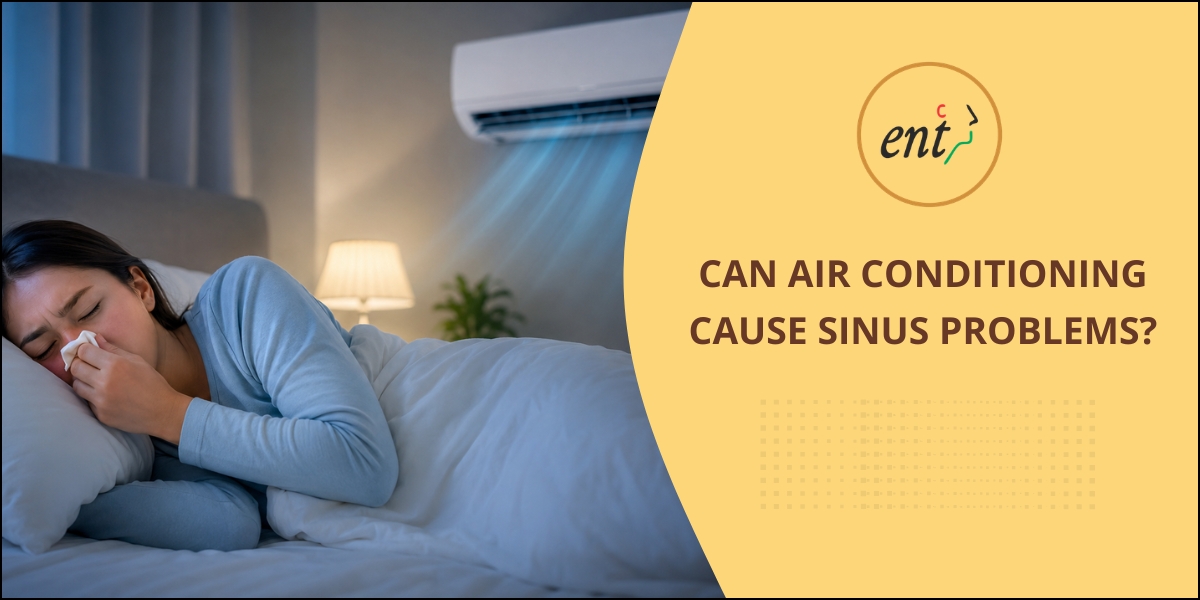
Is Sleeping with AC Affecting Your Sinuses? Many people enjoy sleeping in an air-conditioned room, especially during hot summer nights. While AC helps you sleep comfortably, some people wake up with a blocked nose, dry throat, headache, or facial pressure. This often leads to one common question: Can sleeping with AC affect your sinuses? The answer is yes, it can—but not for everyone. Air conditioning itself does not cause sinus infections, but it can create conditions that make sinus problems worse, especially if you already have allergies or sensitive nasal passages. If you frequently experience sinus discomfort after sleeping in an air-conditioned room, understanding the cause can help you prevent future problems. What Are Sinuses? Sinuses are air-filled spaces located behind your forehead, cheeks, and nose. They produce mucus that keeps your nasal passages moist and helps trap dust, bacteria, and allergens. When the lining of the sinuses becomes irritated or swollen, mucus cannot drain properly. This can lead to congestion, facial pain, headaches, and sometimes sinus infections. Must Read Article : Chronic Sinusitis: When Is It Time for Functional Endoscopic Sinus Surgery How Does Air Conditioning Affect Your Sinuses? Air conditioners remove moisture from the air to keep rooms cool. While this creates a comfortable temperature, it also makes the air much drier. 1. Dry Nasal Passages Dry air can reduce the moisture inside your nose. This dries out the protective mucus layer, making your nose feel irritated and increasing the risk of inflammation. 2. Thick Mucus When your nasal passages become dry, mucus becomes thicker and stickier. Thick mucus is harder to drain, which may result in blocked sinuses and pressure around the face. 3. Dust and Allergens If AC filters are not cleaned regularly, they may circulate dust, pollen, mold spores, and other allergens throughout the room. These particles can trigger allergies and worsen sinus symptoms. 4. Sudden Temperature Changes Moving repeatedly between hot outdoor temperatures and a cold AC room may irritate the nasal lining in some people, leading to congestion or sneezing. Common Symptoms You May Notice If your AC is affecting your sinuses, you may wake up with: Stuffy or blocked nose Dry nose or throat Sneezing Facial pressure or pain Headache Thick nasal mucus Mild cough due to postnasal drip These symptoms often improve once your nasal passages regain moisture. Who Is More Likely to Be Affected? Certain people are more sensitive to air-conditioned environments, including: People with allergies Individuals with chronic sinusitis Asthma patients Those with a deviated nasal septum People suffering from frequent colds Elderly individuals and children If you fall into any of these groups, you may notice sinus symptoms more often while sleeping with the AC on. Tips to Protect Your Sinuses While Sleeping with AC Keep the Temperature Comfortable Avoid setting the AC at extremely low temperatures. A room temperature between 24°C and 26°C is generally more comfortable for most people. Stay Hydrated Drink enough water throughout the day to keep your body’s natural mucus moist. Use a Humidifier A humidifier can add moisture back into the room and reduce dryness caused by air conditioning. Clean AC Filters Regularly Dirty filters collect dust, mold, and allergens. Cleaning or replacing filters on time helps improve indoor air quality. Use Saline Nasal Spray Saline sprays or nasal rinses help moisturize the nasal lining and remove allergens from the nose before bedtime. Maintain Bedroom Hygiene Wash bedsheets regularly and reduce dust accumulation to minimize allergy triggers. When Should You See an ENT Specialist? Occasional dryness is usually not a serious concern. However, you should consult an ENT specialist if you experience: Sinus symptoms lasting more than 10 days Frequent sinus infections Severe facial pain Thick yellow or green nasal discharge Fever with sinus symptoms Difficulty breathing through the nose Recurring headaches associated with nasal blockage An ENT doctor can identify the underlying cause and recommend appropriate treatment before the condition becomes chronic. Treatment Options for Sinus Problems Treatment depends on the cause of your symptoms and may include: Saline nasal irrigation Allergy medications Nasal steroid sprays Steam inhalation Antibiotics (only when bacterial infection is confirmed) Treatment for structural problems such as a deviated septum, if necessary Avoid self-medicating with antibiotics, as many sinus problems are caused by allergies or viral infections rather than bacteria. Final Thoughts Sleeping with the AC does not directly cause sinus infections, but dry air, poor AC maintenance, and allergens can contribute to nasal irritation and sinus discomfort. Fortunately, simple steps like cleaning AC filters, staying hydrated, using saline sprays, and maintaining a comfortable room temperature can significantly reduce symptoms. If you continue to experience frequent sinus issues despite these measures, it is important to seek expert medical advice. Consult Dr. Rohit Prasad – ENT Specialist in Bhosari, Moshi If you suffer from recurring sinus problems, blocked nose, allergies, ear infections, or throat-related conditions, Dr. Rohit Prasad – Best ENT Doctor in Bhosari, Moshi provides comprehensive evaluation and personalized treatment. Dr. Rohit Prasad helps identify the root cause of sinus problems and offers effective treatment plans to improve your breathing, sleep, and overall quality of life. Recent Post Is Sleeping with AC Affecting Your Sinuses? Nasal Polyps: Symptoms and Treatment Options कानातील मळ काढण्याची सुरक्षित पद्धत खर्राटे क्यों आते हैं और इलाज क्या है? When Should Tonsils Be Removed? Guidelines for Adults and Kids contact us Name(Required) First Phone(Required)Your Message(Required)CAPTCHA

Nasal Polyps: Symptoms and Treatment Options
Nasal Polyps: Symptoms and Treatment Options Understanding Nasal Polyps Nasal polyps are soft, painless, non-cancerous growths that develop on the lining of the nasal passages or sinuses. They are often associated with chronic inflammation caused by conditions such as allergies, asthma, recurrent sinus infections, or immune system disorders. While small polyps may not cause noticeable symptoms, larger polyps or clusters of polyps can obstruct the nasal passages and affect breathing, smell, and overall quality of life. Early diagnosis and appropriate treatment can help manage symptoms effectively and prevent complications. What Causes Nasal Polyps? Nasal polyps develop due to long-term inflammation of the nasal and sinus lining. Common factors that increase the risk include: Chronic sinusitis (chronic rhinosinusitis) Allergic rhinitis (hay fever) Asthma Recurrent respiratory infections Sensitivity to aspirin or NSAIDs Genetic predisposition Immune system disorders Although the exact cause is not always clear, persistent inflammation is the primary factor behind their formation. Common Symptoms of Nasal Polyps The symptoms of nasal polyps can vary depending on their size and location. Common signs include: 1. Nasal Congestion A blocked or stuffy nose that persists for weeks or months is one of the most common symptoms. 2. Runny Nose Excess mucus production can lead to a constant runny nose or postnasal drip. 3. Reduced Sense of Smell and Taste Many patients experience a diminished ability to smell or taste due to obstruction of airflow. 4. Facial Pressure or Pain Large polyps can cause pressure around the eyes, cheeks, and forehead. 5. Frequent Sinus Infections Blocked sinus drainage can increase the risk of recurrent sinus infections. 6. Snoring and Sleep Disturbances Nasal blockage caused by polyps may contribute to snoring and poor sleep quality. 7. Headaches Persistent sinus pressure can sometimes lead to recurring headaches. When Should You See an ENT Specialist? You should consult an ENT specialist if you experience: Persistent nasal blockage lasting more than 10 days Difficulty breathing through the nose Frequent sinus infections Loss of smell or taste Facial pain or pressure Symptoms that do not improve with medication Early evaluation helps determine the underlying cause and allows timely treatment. How Are Nasal Polyps Diagnosed? An ENT specialist may recommend: Nasal Endoscopy A thin, flexible tube with a camera is used to examine the nasal passages and sinuses. CT Scan of the Sinuses Imaging studies help determine the size, number, and location of polyps. Allergy Testing Identifying allergies can help manage inflammation and prevent recurrence. Medical History and Physical Examination A thorough assessment helps identify associated conditions such as asthma or chronic sinusitis. Treatment Options for Nasal Polyps The treatment plan depends on the severity of symptoms and the size of the polyps. 1. Medications Nasal Corticosteroid Sprays : These are often the first line of treatment and help reduce inflammation and shrink polyps. Oral Corticosteroids : Short courses of oral steroids may be prescribed for larger polyps or severe symptoms. Antihistamines : Helpful for patients with allergy-related inflammation. Antibiotics : May be recommended if a bacterial sinus infection is present. Biologic Therapies : In certain cases of severe or recurrent nasal polyps, newer biologic medications can help reduce inflammation and improve symptoms. 2. Endoscopic Sinus Surgery When medications fail to provide adequate relief, endoscopic sinus surgery may be recommended. Benefits of surgery include: Removal of nasal polyps Improved nasal airflow Better sinus drainage Restoration of smell and taste in many patients Reduction in recurrent sinus infections Modern endoscopic procedures are minimally invasive and typically involve faster recovery times. Can Nasal Polyps Return After Treatment? Yes, nasal polyps can recur, especially in individuals with chronic allergies, asthma, or ongoing sinus inflammation. Following the prescribed treatment plan, attending regular follow-ups, and managing underlying conditions can significantly reduce the risk of recurrence. Tips to Prevent Nasal Polyps Manage allergies effectively Use prescribed nasal sprays regularly Avoid exposure to irritants such as smoke and pollution Maintain good nasal hygiene with saline rinses Stay hydrated Treat sinus infections promptly About Dr. Rohit Prasad – Best ENT Specialist in Bhosari Dr. Rohit Prasad is a highly experienced ENT Specialist in Bhosari, dedicated to providing comprehensive care for ear, nose, and throat disorders. He specializes in the diagnosis and treatment of conditions such as nasal polyps, sinusitis, allergic rhinitis, ear infections, hearing problems, throat disorders, and snoring-related issues. Using advanced diagnostic techniques and modern treatment approaches. Whether you are experiencing chronic nasal congestion, recurrent sinus infections, or other ENT concerns, Dr. Rohit Prasad offers expert evaluation and effective treatment solutions tailored to your needs. Recent Post Nasal Polyps: Symptoms and Treatment Options कानातील मळ काढण्याची सुरक्षित पद्धत खर्राटे क्यों आते हैं और इलाज क्या है? When Should Tonsils Be Removed? Guidelines for Adults and Kids How do doctors remove ear wax? contact us Name(Required) First Phone(Required)Your Message(Required)CAPTCHA
कानातील मळ काढण्याची सुरक्षित पद्धत
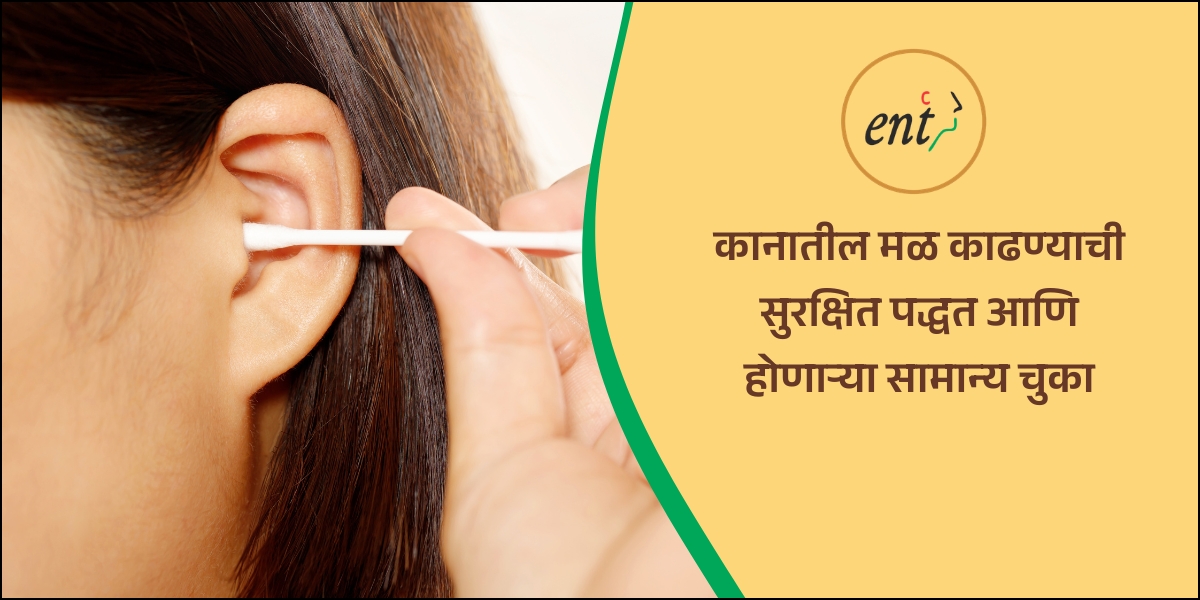
कानातील मळ काढण्याची सुरक्षित पद्धत कानातील मळ म्हणजेच “ईअरवॅक्स” हा शरीराचा नैसर्गिक संरक्षणात्मक भाग आहे. अनेकांना वाटते की कानातील मळ म्हणजे घाण, पण प्रत्यक्षात हा मळ कानाला धूळ, बॅक्टेरिया आणि इतर संसर्गांपासून सुरक्षित ठेवतो. मात्र काही वेळा हा मळ जास्त प्रमाणात साचल्यामुळे कान बंद होणे, कमी ऐकू येणे, खाज येणे किंवा वेदना होणे अशा समस्या निर्माण होतात. अशा वेळी कानातील मळ योग्य आणि सुरक्षित पद्धतीने काढणे आवश्यक असते. कानात मळ का साचतो? काही लोकांमध्ये नैसर्गिकरित्या जास्त मळ तयार होतो. तसेच खालील कारणांमुळेही मळ साचू शकतो: वारंवार इयरफोन वापरणे कॉटन बड्सचा अति वापर कानात बोट किंवा इतर वस्तू घालणे धुळीच्या वातावरणात काम करणे वाढते वय कानातील मळ काढताना होणाऱ्या सामान्य चुका अनेक लोक घरच्या घरी कॉटन बड्स, हेअरपिन, मॅचस्टिक किंवा इतर टोकदार वस्तू वापरून मळ काढण्याचा प्रयत्न करतात. पण त्यामुळे मळ अधिक आत ढकलला जाऊ शकतो आणि कानाच्या पडद्याला इजा होण्याची शक्यता वाढते. टाळावयाच्या गोष्टी: कॉटन बड्सचा अति वापर टोकदार वस्तू वापरणे डॉक्टरांच्या सल्ल्याशिवाय औषधे वापरणे इंटरनेटवरील चुकीचे उपाय वापरणे कानातील मळ काढण्याची सुरक्षित पद्धत 1. इअर ड्रॉप्सचा वापर डॉक्टरांच्या सल्ल्याने इअर ड्रॉप्स वापरल्यास मळ मऊ होतो आणि सहज बाहेर पडतो. हे ड्रॉप्स सुरक्षित व प्रभावी असतात. 2. कोमट पाण्याने साफ करणे काही वेळा ENT तज्ज्ञ हलक्या दाबाने कोमट पाण्याचा वापर करून कान स्वच्छ करतात. ही प्रक्रिया सुरक्षित असते आणि वेदनारहित असते. 3. सक्शन किंवा मायक्रोस्कोपिक क्लिनिंग जास्त मळ साचल्यास ENT डॉक्टर विशेष उपकरणांच्या मदतीने मळ काढतात. ही आधुनिक आणि सुरक्षित पद्धत आहे. डॉक्टरांकडे कधी जावे? खालील लक्षणे दिसल्यास ENT तज्ज्ञांचा सल्ला घ्यावा: कानात वेदना ऐकू कमी येणे सतत खाज येणे कानातून पाणी किंवा पू येणे चक्कर येणे कान निरोगी ठेवण्यासाठी टिप्स कानात कोणतीही वस्तू घालू नका जास्त आवाजापासून कानांचे संरक्षण करा वेळोवेळी ENT तपासणी करून घ्या संसर्ग झाल्यास दुर्लक्ष करू नका कानातील मळ हा नैसर्गिक संरक्षणाचा भाग असला तरी तो जास्त प्रमाणात साचल्यास समस्या निर्माण होऊ शकतात. त्यामुळे घरगुती धोकादायक उपाय टाळून ENT तज्ज्ञांकडून योग्य उपचार घेणे हा सर्वात सुरक्षित पर्याय आहे. Bhosari, Moshi आणि PCMC परिसरात ENT उपचारांसाठी Dr. Rohit Prasad हे विश्वसनीय नाव मानले जाते. येथे कानातील मळ काढणे, hearing loss treatment, ear infection treatment, sinus treatment, vertigo treatment, allergy treatment आणि endoscopic ENT procedures यांसारख्या आधुनिक सुविधा उपलब्ध आहेत. अनुभवी ENT Specialist Dr. Rohit Prasad यांच्या मार्गदर्शनाखाली सुरक्षित आणि आधुनिक उपचार दिले जातात. अधिक माहितीसाठी Dr. Prasad ENT Hospital ला भेट द्या. Recent Post कानातील मळ काढण्याची सुरक्षित पद्धत खर्राटे क्यों आते हैं और इलाज क्या है? When Should Tonsils Be Removed? Guidelines for Adults and Kids How do doctors remove ear wax? What foods should I avoid with a sore throat? contact us Name(Required) First Phone(Required)Your Message(Required)CAPTCHA

खर्राटे क्यों आते हैं और इलाज क्या है?
खर्राटे क्यों आते हैं और इलाज क्या है? आज के समय में खर्राटे लेना एक आम समस्या बन चुकी है। कई लोग इसे सामान्य मानकर नजरअंदाज कर देते हैं, लेकिन लगातार और तेज खर्राटे कई बार गंभीर स्वास्थ्य समस्याओं का संकेत भी हो सकते हैं। खर्राटों की वजह से न केवल व्यक्ति की नींद प्रभावित होती है, बल्कि परिवार के अन्य लोगों की नींद भी खराब होती है। खर्राटे क्या होते हैं? जब हम सोते समय सांस लेते हैं, तब गले और नाक के रास्ते से हवा गुजरती है। यदि यह रास्ता संकरा हो जाता है, तो आसपास के टिश्यू कंपन करने लगते हैं और आवाज पैदा होती है, जिसे खर्राटे कहा जाता है। खर्राटे आने के मुख्य कारण 1. मोटापा अधिक वजन होने से गले के आसपास फैट जमा हो जाता है, जिससे सांस लेने का रास्ता संकरा हो जाता है। 2. नाक बंद होना सर्दी, एलर्जी या साइनस की समस्या के कारण नाक बंद होने पर व्यक्ति मुंह से सांस लेता है, जिससे खर्राटे बढ़ सकते हैं। 3. गलत सोने की स्थिति पीठ के बल सोने से जीभ पीछे की ओर चली जाती है और सांस का रास्ता आंशिक रूप से बंद हो सकता है। 4. शराब और धूम्रपान शराब और स्मोकिंग गले की मांसपेशियों को ढीला कर देती हैं, जिससे खर्राटे आने लगते हैं। 5. उम्र बढ़ना उम्र के साथ गले की मांसपेशियां कमजोर होने लगती हैं, जिससे खर्राटों की संभावना बढ़ जाती है। 6. स्लीप एपनिया यदि खर्राटों के साथ सांस रुकने जैसी समस्या हो, तो यह Obstructive Sleep Apnea जैसी गंभीर बीमारी का संकेत हो सकता है। खर्राटों के लक्षण सोते समय तेज आवाज आना दिनभर थकान महसूस होना नींद पूरी न होना सुबह सिरदर्द होना सांस रुकने जैसा महसूस होना खर्राटों का इलाज 1. वजन कम करें वजन नियंत्रित रखने से गले पर दबाव कम होता है और खर्राटे घट सकते हैं। 2. सोने की आदत बदलें पीठ के बजाय करवट लेकर सोने की कोशिश करें। 3. धूम्रपान और शराब से बचें इन आदतों को छोड़ने से काफी सुधार देखा जा सकता है। 4. नाक की समस्या का इलाज यदि नाक बंद रहती है, तो ENT विशेषज्ञ से जांच करवाएं। 5. CPAP मशीन Sleep Apnea के मरीजों के लिए डॉक्टर CPAP मशीन की सलाह दे सकते हैं। 6. सर्जरी कुछ मामलों में नाक या गले की संरचना सुधारने के लिए सर्जरी की आवश्यकता पड़ सकती है। कब डॉक्टर से संपर्क करें? यदि खर्राटों के साथ सांस रुकना, अत्यधिक थकान, हाई ब्लड प्रेशर या नींद की गंभीर समस्या हो रही है, तो तुरंत ENT विशेषज्ञ से सलाह लें। डॉ. रोहित प्रसाद – Bhosari के अनुभवी ENT एवं Snoring Specialist यदि आप या आपके परिवार में किसी को खर्राटों की समस्या है, तो Dr. Rohit Prasad से परामर्श लें। वे Bhosari क्षेत्र में अनुभवी ENT विशेषज्ञ हैं और खर्राटे, स्लीप एपनिया, नाक बंद होना तथा गले से जुड़ी समस्याओं का आधुनिक तकनीक से इलाज प्रदान करते हैं। सही जांच और उचित उपचार के माध्यम से वे मरीजों को बेहतर और शांतिपूर्ण नींद पाने में मदद करते हैं। Recent Post खर्राटे क्यों आते हैं और इलाज क्या है? When Should Tonsils Be Removed? Guidelines for Adults and Kids How do doctors remove ear wax? What foods should I avoid with a sore throat? Chronic Sinusitis: When Is It Time for Functional Endoscopic Sinus Surgery (FESS)? contact us Name(Required) First Phone(Required)Your Message(Required)CAPTCHA
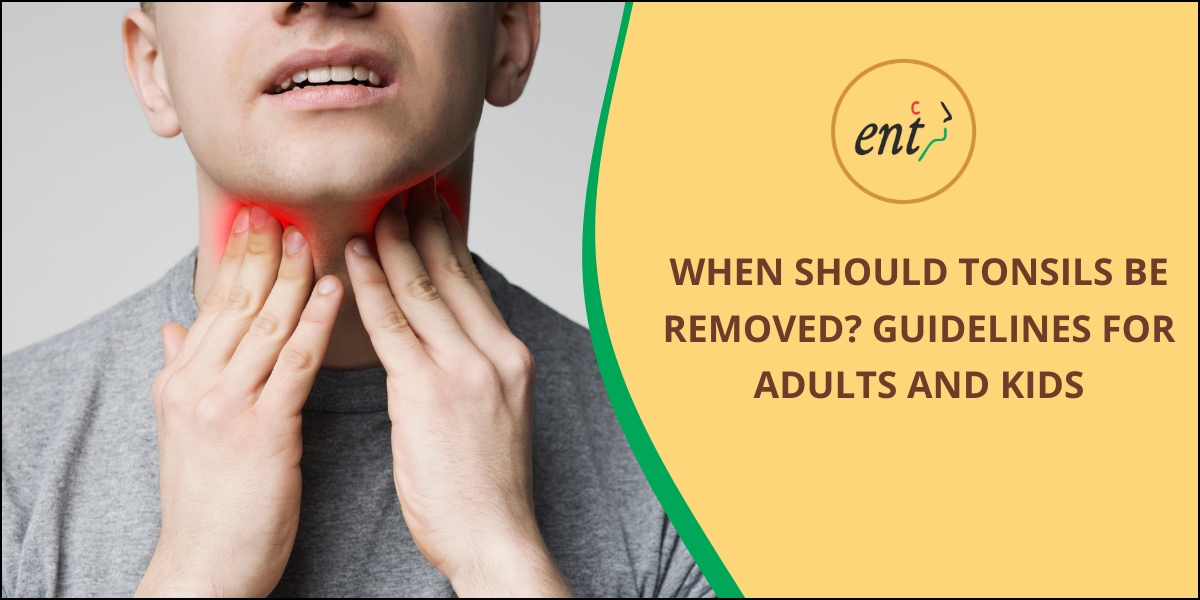
When Should Tonsils Be Removed? Guidelines for Adults and Kids
When Should Tonsils Be Removed? Guidelines for Adults and Kids Tonsils are small, oval-shaped tissues located at the back of the throat. They play a role in the body’s immune system, especially during early childhood. However, in some cases, they can cause more harm than good—leading to frequent infections, breathing issues, and discomfort. This raises an important question: when is it the right time to remove tonsils? This guide explains everything in simple terms, helping both parents and adults understand when a tonsillectomy (surgical removal of tonsils) may be necessary. What Do Tonsils Do? Tonsils act as a first line of defense against germs entering through the mouth and nose. They help trap bacteria and viruses. However, as we grow older, their role becomes less critical, and in some people, they become prone to repeated infections. Common Problems Caused by Tonsils Not everyone needs tonsil removal. But certain conditions indicate that the tonsils are causing more harm than benefit: 1. Frequent Throat Infections If a person—especially a child—experiences: 7 or more throat infections in one year 5 infections per year for 2 consecutive years 3 infections per year for 3 consecutive years It may be time to consider surgery. 2. Chronic Tonsillitis Persistent inflammation causing: Sore throat Bad breath Difficulty swallowing Swollen lymph nodes 3. Breathing Problems or Sleep Apnea Enlarged tonsils can block the airway, leading to: Loud snoring Interrupted sleep Breathing pauses (sleep apnea) This is more common in children but can affect adults too. 4. Difficulty Eating or Swallowing Very large tonsils can make swallowing painful or difficult, especially in kids. 5. Recurrent Tonsil Stones (Tonsilloliths) These are small, foul-smelling white deposits that can cause discomfort and bad breath. When Should Tonsils Be Removed in Children? Tonsillectomy in children is usually recommended when: They have frequent infections affecting school and daily life There are breathing or sleep-related problems Growth or development is affected due to poor sleep or eating issues Children generally recover quickly from the procedure and show significant improvement in quality of life. When Should Tonsils Be Removed in Adults? Adults may need tonsil removal if they experience: Repeated severe throat infections Chronic tonsillitis not responding to medication Sleep apnea or snoring issues Persistent bad breath due to tonsil stones Recovery in adults may take slightly longer than in children, but the long-term relief is often worth it. What Happens During a Tonsillectomy? A tonsillectomy is a common and safe surgical procedure: Usually done under general anesthesia Takes about 30–60 minutes Most patients go home the same day Modern techniques ensure minimal pain and faster recovery. Recovery After Tonsil Removal Recovery tips include: Drinking plenty of fluids Eating soft foods like khichdi, curd, or soups Avoiding spicy or hard foods Taking prescribed medications Most children recover within 7–10 days, while adults may take up to 2 weeks. Benefits of Tonsil Removal Fewer throat infections Better sleep quality Improved breathing Enhanced overall quality of life Are There Any Risks? Like any surgery, tonsillectomy has minor risks such as: Bleeding Infection Temporary throat pain However, complications are rare when performed by experienced ENT specialists. About Dr. Prasad ENT Hospital, Bhosari Dr. Prasad ENT Hospital in Bhosari is a trusted center for advanced ear, nose, and throat care, offering expert diagnosis and treatment for tonsil-related conditions in both children and adults. With modern surgical techniques, patient-friendly care, and a focus on quick recovery, the hospital ensures safe and effective tonsillectomy procedures. The team is dedicated to providing personalized treatment plans, helping patients breathe, eat, and live more comfortably. Frequently Asked Questions (FAQs) 1. Is tonsil removal safe? Yes, tonsillectomy is a commonly performed and safe procedure when done by a qualified ENT surgeon. 2. At what age can tonsils be removed? Tonsils can be removed in children older than 3 years if medically necessary. 3. Will immunity decrease after tonsil removal? No, the body has multiple defense systems. Removing tonsils does not significantly impact overall immunity. 4. Is the surgery painful? There may be mild to moderate throat pain after surgery, which is manageable with medications. 5. How long does recovery take? Children recover in about 7–10 days, while adults may need 10–14 days. Recent Post When Should Tonsils Be Removed? Guidelines for Adults and Kids How do doctors remove ear wax? What foods should I avoid with a sore throat? Chronic Sinusitis: When Is It Time for Functional Endoscopic Sinus Surgery (FESS)? Tonsillitis vs Chronic Throat Infection: Signs, Treatment & Home Care contact us Name(Required) First Phone(Required)Your Message(Required)CAPTCHA
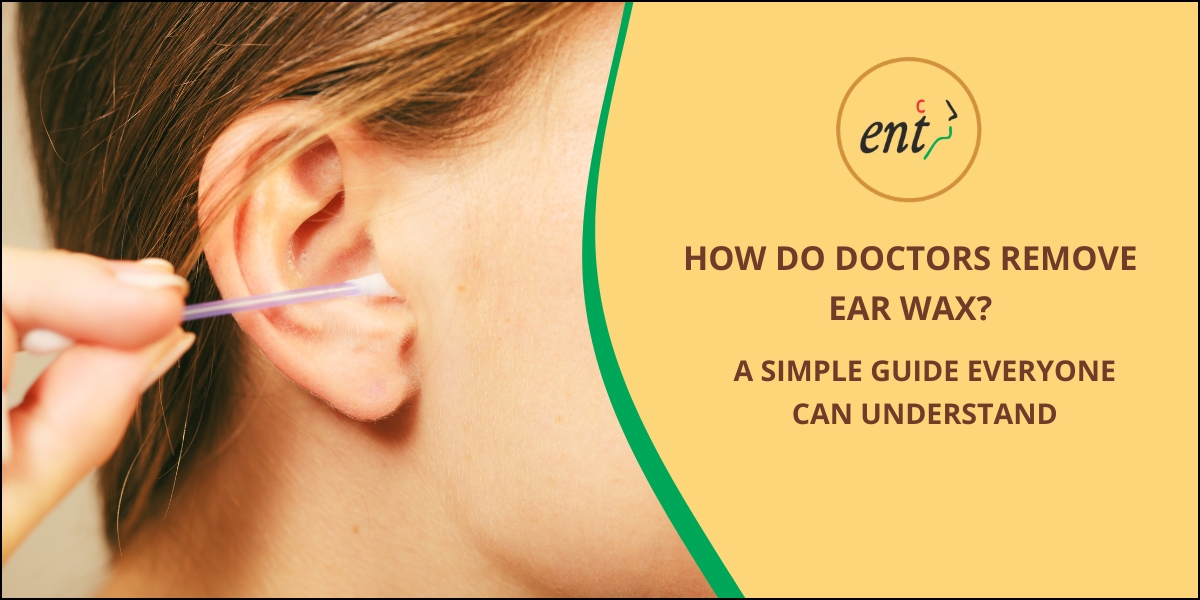
How do doctors remove ear wax?
How do doctors remove ear wax? Ear wax, also known as cerumen, is something we all have—but very few people truly understand. Many believe it’s dirty or harmful, but in reality, ear wax plays an important role in protecting your ears. However, when it builds up excessively, it can cause discomfort, hearing problems, and even infections. That’s when professional help becomes necessary. Let’s break it down in a simple, easy-to-understand way—how doctors safely remove ear wax, when you should avoid DIY methods, and what to expect during treatment. What Is Ear Wax and Why Do We Have It? Ear wax is a natural substance produced by glands in your ear canal. It acts as a protective barrier, trapping dust, dirt, and bacteria before they can reach deeper parts of your ear. It also keeps the ear canal moisturized, preventing dryness and irritation. In most cases, your body naturally pushes ear wax out on its own. You might notice small flakes coming out when you clean your ears externally—that’s completely normal. But sometimes, things don’t go as planned. When Does Ear Wax Become a Problem? Ear wax becomes an issue when it builds up and hardens, leading to blockage. This condition is called impacted ear wax. Common Symptoms of Ear Wax Blockage: Feeling of fullness in the ear Partial hearing loss Earache or discomfort Ringing sound (tinnitus) Dizziness in some cases Many people try to clean their ears using cotton buds or sharp objects—but this often pushes the wax deeper, making the problem worse. How Do Doctors Remove Ear Wax? Doctors use safe, professional techniques to remove ear wax without damaging your ears. Let’s look at the most common methods: 1. Ear Drops (Softening the Wax) Before removing the wax, doctors often recommend medicated ear drops to soften it. These drops may contain: Saline solution Hydrogen peroxide Glycerin-based liquids You usually need to use these drops for a few days. Once the wax becomes soft, it becomes easier to remove. 👉 This step is especially helpful if the wax is hard or deeply impacted. 2. Ear Irrigation (Ear Syringing) This is one of the most commonly used methods. In this process: The doctor uses a special syringe or machine Warm water or saline is gently flushed into the ear The water pressure helps wash out the softened wax It’s a quick and relatively painless procedure. You may feel a slight sensation of water movement, but it’s generally comfortable. ⚠️ Note: This method is not suitable for people with ear infections, eardrum damage, or previous ear surgery. 3. Microsuction (Modern & Safe Method) Microsuction is considered one of the safest and most precise techniques. Here’s how it works: The doctor uses a small suction device A microscope or magnifying lens helps them clearly see inside your ear The wax is gently suctioned out without using water This method is: Quick Clean Ideal for sensitive ears Less risk of infection Many ENT specialists prefer microsuction because it provides better control and visibility. 4. Manual Removal Using Instruments In some cases, doctors use specialized tools like: Curettes (small scoop-like instruments) Forceps These tools are used to carefully remove wax under direct vision. This method is typically used when: The wax is near the outer ear The blockage is not too deep It requires precision and should only be done by trained professionals. Is Ear Wax Removal Painful? Most professional ear wax removal procedures are not painful. You may feel slight discomfort or pressure, but it’s usually mild and temporary. If you experience pain during the procedure, inform your doctor immediately—this could indicate: Infection Sensitive ear canal Other underlying issues What Should You Avoid? Many people unknowingly damage their ears by trying unsafe cleaning methods. Avoid: Cotton buds (they push wax deeper) Hairpins or sharp objects Candling (unsafe and ineffective) Excessive cleaning Your ears are self-cleaning organs, and over-cleaning can actually cause more harm than good. When Should You See a Doctor? You should consult an ENT specialist if: You have persistent ear blockage Hearing loss doesn’t improve There’s pain or discharge You feel dizziness Home remedies don’t work Ignoring symptoms can lead to complications like infections or long-term hearing issues. How to Prevent Ear Wax Buildup? While you can’t completely stop ear wax formation, you can manage it wisely. Simple Tips: Clean only the outer ear with a soft cloth Avoid inserting objects into your ear Use ear drops occasionally if recommended Get regular checkups if you are prone to buildup Expert Care Matters When it comes to ear health, professional care is always the safest option. Attempting DIY removal can worsen the situation, while trained ENT specialists ensure safe, effective, and painless treatment. If you’re experiencing ear discomfort or blockage, it’s best to consult a specialist like Dr. Rohit Prasad. With expertise in diagnosing and treating ear-related conditions, Dr. Rohit Prasad provides advanced and patient-friendly solutions for ear wax removal and other ENT issues. Whether it’s microsuction or gentle manual removal, you can expect safe, hygienic, and effective care tailored to your needs. FAQs 1. Can ear wax go away on its own? Yes, in many cases, ear wax naturally moves out of the ear without treatment. 2. Is ear cleaning at home safe? Basic outer ear cleaning is safe, but inserting objects inside the ear is not recommended. 3. How long does ear wax removal take? Most procedures take 10–20 minutes, depending on the severity. 4. Can ear wax cause hearing loss? Yes, excessive buildup can temporarily block sound and reduce hearing. 5. How often should I get my ears checked? If you frequently experience buildup, a checkup every 6–12 months is advisable. Recent Post How do doctors remove ear wax? What foods should I avoid with a sore throat? Chronic Sinusitis: When Is It Time for Functional Endoscopic Sinus Surgery (FESS)? Tonsillitis vs Chronic Throat Infection: Signs, Treatment & Home Care What are the symptoms of throat issues? contact us Name(Required) First Phone(Required)Your Message(Required)CAPTCHA

What foods should I avoid with a sore throat?
What foods should I avoid with a sore throat? Waking up with a sore throat is the worst. It feels like you have swallowed sandpaper, and even swallowing water can hurt. When you feel like that, you just want to do anything to make the pain stop. Did you know that the food you eat can either help you heal or make the pain much worse? Sometimes, we eat things that we think are harmless, but they actually irritate the throat even more. If you are looking for Sore throat treatment in Bhosari, you can always visit us at Dr. Prasad ENT Hospital. But to help you feel better at home, here is a simple guide on what foods to avoid when your throat is hurting. Why Does Food Matter? When you have a sore throat (often caused by a cold, flu, or infection), the lining of your throat is swollen and sensitive. Think of it like a fresh scratch on your skin. If you rub it or put something spicy on it, it will sting. The same thing happens inside your throat. The 10 Foods You Must Avoid Here is a list of common foods and drinks you should stay away from until your throat feels better. 1. Fried and Crunchy Foods This includes chips, French fries, crackers, and crispy samosas. Why avoid? The sharp, hard edges of these foods feel like tiny pieces of glass scratching against your already painful throat. They are also heavy and hard to digest. 2. Spicy Foods This includes curries, hot sauce, and dishes with lots of chili powder or pepper. Why avoid? While spicy food clears a stuffy nose, it can wreak havoc on a sore throat. The capsaicin in chillies can increase inflammation, making the burning sensation worse. 3. Acidic Fruits This includes oranges, lemons, grapefruits, and tomatoes. Why avoid? These fruits are highly acidic. The acid can irritate the tender lining of your throat, causing a sharp, stinging pain. While Vitamin C is good, save the orange juice for when you are healed. 4. Dairy Products (For Some People) This includes milk, ice cream, and creamy yogurt. Why avoid? This one varies from person to person. While cold ice cream can sometimes numb the pain, dairy can make your phlegm (mucus) thicker for some people. If you feel like you are coughing up more mucus after milk, avoid it until you are better. 5. Dry Toast and Bread Why avoid? Plain toast seems like a safe diet food, but it is actually very dry and rough. It can absorb all the moisture in your mouth and scrape against your throat as you swallow. 6. Coffee and Caffeinated Tea Why avoid? Caffeine is a diuretic, which means it can dehydrate you. When you have a sore throat, keeping your throat moist is the number one goal. Dehydration will make the pain worse. 7. Soda and Carbonated Drinks Why avoid? Fizzy drinks are often acidic and full of sugar. The bubbles (carbonation) can cause bloating and acid reflux, which sends stomach acid back up into your throat, irritating it further. 8. Alcohol Why avoid? Like caffeine, alcohol is very dehydrating. It also acts as a toxin that can stress your body while it is trying to fight off an infection. Cocktails with acidic mixers are a double threat. 9. Chocolate Why avoid? This is a sad one, but chocolate (especially milk chocolate) is high in sugar and can trigger acid reflux in many people. It can also make mucus feel thicker. 10. Processed Meats This includes salami, bacon, and sausages. Why avoid? These are hard to chew and swallow. They are also often high in salt and preservatives, which can dehydrate you. So, What CAN You Eat? If you are avoiding all these things, you might be wondering what is left to eat. Don’t worry! Stick to soft, cool, or warm foods that are easy to swallow. Good options include: Warm soups: (Not too hot) Chicken soup or lentil soup (dal) is perfect. Soft fruits: Bananas, applesauce, or ripe mangoes. Cooked vegetables: Mashed potatoes or pumpkin. Honey: A spoonful of honey can coat the throat. (Do not give honey to children under 1 year old). Warm water with a pinch of salt: This is the best home remedy for gargling. When Should You See a Doctor? Sometimes, a sore throat is more than just a cold. If you have a sore throat that lasts longer than a week, a high fever, or trouble breathing, you need to see a specialist. For expert Sore throat treatment in Bhosari, visit Dr. Prasad ENT Hospital. We are here to help you feel better quickly. Frequently Asked Questions (FAQs) 1. Is it okay to eat ice cream when you have a sore throat?Yes, for some people it is okay. Cold foods like ice cream can actually help numb the pain temporarily. However, if you notice that dairy makes your phlegm thicker, it is better to avoid it. 2. Is banana good for a sore throat?Yes, bananas are a great food to eat. They are soft, easy to swallow, and full of nutrients. They won’t irritate your throat like acidic fruits. 3. Can I eat eggs with a sore throat?Yes, eggs are a good option, especially if they are scrambled or made into an omelet (without too much pepper). They are soft and provide protein to help your body fight the infection. 4. Does spicy food make a sore throat worse?Yes, generally it does. While spicy food can clear a stuffy nose, it often irritates the swollen throat lining and makes the burning sensation worse. 5. Why does my throat hurt more after drinking orange juice?Orange juice is highly acidic. When you have a sore throat, the tissue is inflamed and raw. The acid in the juice stings this raw tissue, causing immediate pain. It is best to avoid citrus juices until you are healed. Recent Post What foods should I avoid with a sore throat? Chronic Sinusitis: When Is It Time for Functional Endoscopic Sinus Surgery (FESS)? Tonsillitis vs Chronic Throat Infection: Signs, Treatment & Home Care What are the symptoms of throat issues?
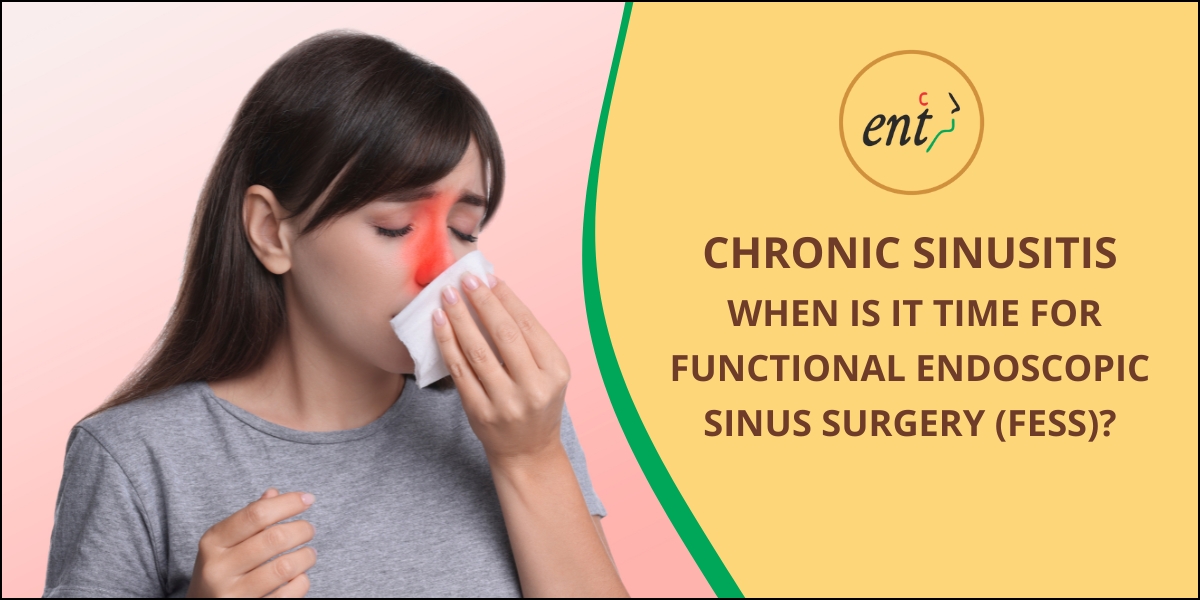
Chronic Sinusitis: When Is It Time for Functional Endoscopic Sinus Surgery (FESS)?
Chronic Sinusitis: When Is It Time for Functional Endoscopic Sinus Surgery (FESS)? If you’re struggling with chronic sinusitis, you know it’s more than just a stubborn cold. It’s a relentless cycle of facial pressure, congestion, headaches, and fatigue that can diminish your quality of life. Despite trying countless medications, nasal sprays, and home remedies, the relief is often temporary. When conservative treatments fall short, many patients and their doctors begin to discuss a highly effective surgical option: Functional Endoscopic Sinus Surgery (FESS). But how do you know when it’s truly time to consider this step? Understanding Chronic Sinusitis Chronic sinusitis is defined as inflammation of the sinuses lasting for 12 weeks or longer, despite treatment attempts. Common symptoms include: Nasal obstruction or congestion Thick, discolored nasal drainage Facial pain, pressure, or fullness Reduced sense of smell (anosmia) Headaches and fatigue When medications like antibiotics, corticosteroids, and saline irrigations fail to provide sustained relief, the inflammation may be caused by a persistent physical blockage or anatomical issue that needs to be addressed. What is Functional Endoscopic Sinus Surgery (FESS)? FESS is a minimally invasive procedure that has revolutionized sinus surgery. Using a tiny, lighted endoscope, a skilled ENT surgeon enters the nasal passages to: Remove blockages (like polyps or swollen tissue) Widen natural drainage pathways of the sinuses Restore normal sinus function and ventilation The goal is not to “remove” sinuses but to open them, allowing them to drain properly and for medications to work more effectively. Recovery is typically faster and less painful than with older surgical techniques. Key Signs It Might Be Time for FESS Consider discussing FESS with your ENT specialist if you experience: Failed Maximum Medical Therapy: You have diligently followed a doctor-prescribed regimen of treatments (including nasal steroid sprays, courses of antibiotics or oral steroids, and saline irrigation) for several months with little to no improvement. Recurrent Acute Infections: You suffer from four or more significant sinus infections in a year, each requiring medication. Nasal Polyps: You have developed nasal polyps that obstruct sinus drainage and do not shrink sufficiently with steroid treatments. Anatomical Obstructions: A CT scan reveals structural issues like a severely deviated septum, enlarged turbinates, or narrow sinus openings that contribute to the problem. Complications or Severe Symptoms: You experience complications such as frequent asthma flares linked to sinusitis, or your symptoms are severely impacting your daily life, sleep, and work. The decision to proceed with FESS is made collaboratively between you and your ENT surgeon after a detailed evaluation, which almost always includes a CT scan of the sinuses to map the anatomy and inflammation. Expert Sinusitis Care in Pune: Dr. Rohit Prasad For those seeking lasting relief from chronic sinusitis in the Pune. Dr. Rohit Prasad offers expert diagnosis and advanced treatment options, including Functional Endoscopic Sinus Surgery (FESS). As a trusted ENT specialist, Dr. Rohit If you are searching for effective sinusitis treatment in Bhosari, PCMC, Pune, or a skilled ENT surgeon in Pune for nasal polyp removal or chronic sinus infection treatment, consulting with an experienced professional like Dr. Rohit Prasad is a critical step toward breathing freely again. Visit : Dr. Rohit Prasad | ENT Doctor in Bhosari, Moshi | ENT Specialist | Dr. Prasad ENT Hospital Address : first floor, Glorious Crown, Shop No 103, 104, 105, Spine Rd, Bhosari, Pimpri-Chinchwad, Pune Contact Number : 97025 74417 FAQs on Chronic Sinusitis & FESS 1. What is the recovery time for FESS surgery?Most patients return to light work within a week. Full recovery, with complete healing and final results, typically takes 4-6 weeks. Strenuous activity should be avoided for about two weeks. 2. Is FESS a major surgery?FESS is considered a minimally invasive, major outpatient surgery. While it is a significant procedure performed under anesthesia, it uses small endoscopes without external incisions, leading to less discomfort and quicker recovery than traditional surgery. 3. What are the risks of sinus surgery?Risks are low but can include bleeding, infection, changes in smell or taste, tear duct injury, or rare complications like cerebrospinal fluid leak. An experienced surgeon minimizes these risks. 4. How successful is FESS surgery?Success rates are high, with over 85-90% of patients experiencing significant, long-term improvement in their symptoms and quality of life. It is not a cure for sinusitis but a powerful tool to manage it effectively. 5. Can sinus polyps come back after FESS?Yes, polyps can recur, as FESS removes them but does not cure the underlying inflammatory tendency. However, surgery often makes future polyps easier to manage with medication and can prevent severe re-obstruction for many years. Recent Post Chronic Sinusitis: When Is It Time for Functional Endoscopic Sinus Surgery (FESS)? Tonsillitis vs Chronic Throat Infection: Signs, Treatment & Home Care What are the symptoms of throat issues? Seasonal Allergies and Sinus Health: Tips for Relief Common Ear Infections: Symptoms, Causes, and When to See a Doctor contact us Name(Required) First Phone(Required)Your Message(Required)CAPTCHA