
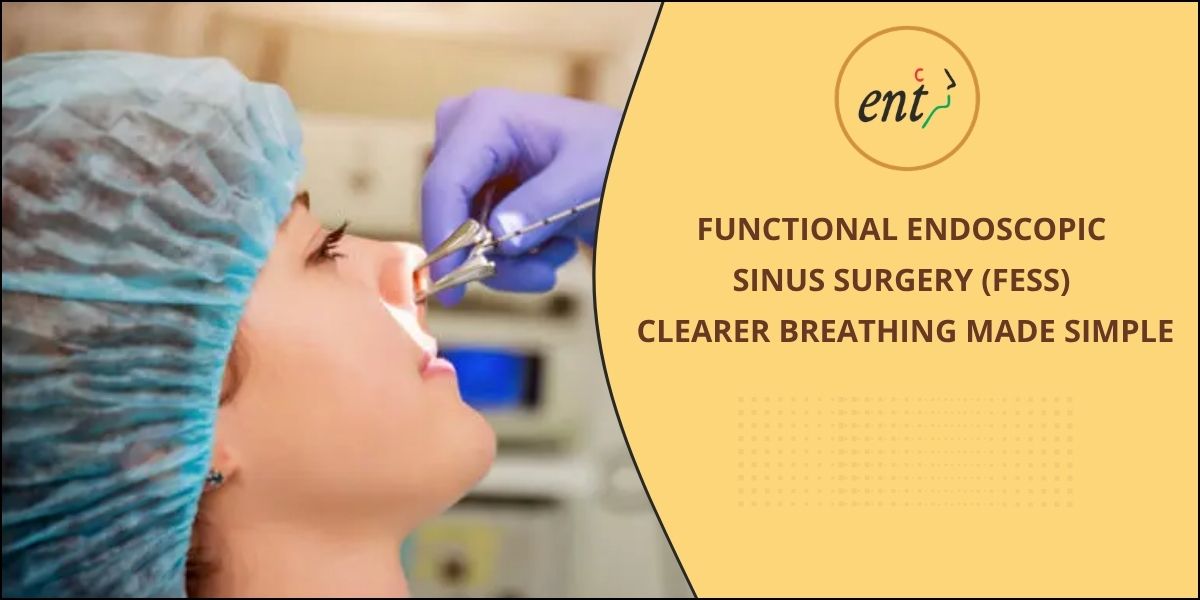
Functional Endoscopic Sinus Surgery (FESS): Clearer Breathing Made Simple Breathing freely through your nose may seem like something you should never have to think about. But for people with long-term sinus problems, blocked noses, facial pressure, headaches, or repeated sinus infections, normal breathing can become a daily struggle. Medicines, nasal sprays, and other treatments can often control sinus symptoms. However, when sinus problems continue despite appropriate medical treatment, your ENT specialist may recommend Functional Endoscopic Sinus Surgery (FESS). FESS is a minimally invasive sinus surgery designed to improve the natural drainage and ventilation of the sinuses. The goal is simple: to help your sinuses function better and make breathing more comfortable. What Is Functional Endoscopic Sinus Surgery? Functional Endoscopic Sinus Surgery, commonly called FESS, is a procedure used to treat certain chronic sinus conditions. During FESS, an ENT surgeon uses a thin instrument called an endoscope. It has a small camera that allows the surgeon to see inside the nose and sinus passages without making external cuts on the face. The surgeon carefully opens blocked sinus drainage pathways and removes tissue or other blockages when necessary. This helps improve the movement of air and drainage of mucus from the sinuses. Unlike older sinus surgery techniques, FESS focuses on treating the problem while preserving as much healthy tissue as possible. Why Do Sinuses Get Blocked? The sinuses are air-filled spaces around your nose, cheeks, eyes, and forehead. Normally, mucus produced inside the sinuses drains through small openings into the nasal cavity. These drainage pathways can become blocked because of: Chronic sinusitis Nasal polyps Swollen nasal tissues Repeated sinus infections A deviated nasal septum Certain anatomical problems Inflammation caused by allergies or other conditions When drainage is blocked, mucus can build up and create an environment where inflammation and infection may persist. When Might FESS Be Recommended? Not everyone with sinus problems needs surgery. In many cases, ENT doctors first try appropriate medical treatment. FESS may be considered when symptoms continue or repeatedly return despite medical management. Common symptoms that may lead to an ENT evaluation include: Long-lasting nasal blockage Difficulty breathing through the nose Repeated sinus infections Facial pressure or pain Thick nasal discharge Reduced sense of smell Post-nasal drip Persistent sinus-related headaches Chronic inflammation of the sinuses Your ENT specialist may use a nasal endoscopy and, when appropriate, a CT scan of the sinuses to understand the condition before recommending surgery. How Is FESS Performed? FESS is generally performed through the nostrils, so there are usually no visible external cuts. The procedure typically involves these steps: 1. Examination of the sinus passages:The surgeon uses an endoscope to identify areas that are blocked or inflamed. 2. Opening blocked drainage pathways:The surgeon carefully enlarges the natural openings of the affected sinuses to improve drainage and ventilation. 3. Removing blockages:If polyps, diseased tissue, or other obstructions are present, they may be removed as needed. 4. Preserving healthy tissue:The procedure aims to address the underlying blockage while preserving normal structures as much as possible. The exact procedure varies from person to person depending on the cause and extent of sinus disease. What Are the Benefits of FESS? The main purpose of FESS is to restore better sinus drainage and function. Depending on the underlying condition, patients may experience improvements such as: Easier nasal breathing Better sinus drainage Fewer recurrent sinus infections Reduced nasal blockage Improvement in facial pressure Better sense of smell in some patients Improved quality of life It is important to understand that results can vary. FESS treats structural or persistent sinus problems, but some underlying conditions, such as allergies or chronic inflammation, may still require ongoing medical care. Is FESS a Painful Procedure? Because FESS is performed under anaesthesia, you should not feel pain during the procedure. After surgery, some patients experience temporary nasal blockage, mild discomfort, pressure, or a feeling of congestion. Your ENT specialist will provide instructions regarding medicines, nasal care, and follow-up. Recovery is different for every person and depends on the extent of surgery and individual health factors. What Can You Expect After FESS? Following FESS, proper aftercare is an important part of recovery. Your doctor may recommend: Saline nasal rinses Prescribed medications Avoiding strenuous activities for a specific period Keeping follow-up appointments Regular cleaning of the nasal passages when advised You may not experience the full benefit immediately because swelling and healing inside the nose can take time. Following your ENT specialist’s instructions can help support proper healing and reduce the chance of complications. Is FESS Right for Everyone? FESS is not automatically the right treatment for every person with sinus symptoms. An ENT specialist will consider your symptoms, medical history, nasal examination, response to previous treatment, and imaging findings before recommending surgery. If your symptoms are caused primarily by allergies, for example, controlling the allergy may be an important part of treatment. In other cases, a structural problem or chronic sinus disease may make surgery more appropriate. The best treatment is therefore based on the cause of your sinus problem, rather than symptoms alone. Functional Endoscopic Sinus Surgery in Bhosari, Pune If you are dealing with persistent sinus problems, nasal blockage, recurrent sinus infections, or difficulty breathing through your nose, an evaluation by an experienced ENT specialist can help identify the underlying cause. Dr. Prasad ENT Hospital offers Functional Endoscopic Sinus Surgery in Bhosari, Pune, with evaluation and treatment planned according to the individual patient’s sinus condition. If medicines and other conservative treatments have not provided sufficient relief, an ENT consultation can help determine whether FESS or another treatment option may be appropriate for you. The focus is on improving sinus drainage, nasal breathing, and overall comfort while addressing the underlying problem. Frequently Asked Questions About FESS 1. What does FESS stand for? FESS stands for Functional Endoscopic Sinus Surgery. It is a minimally invasive procedure used to improve sinus drainage and treat certain chronic sinus conditions. 2. Is FESS done through the nose? Yes. FESS is generally performed through the nostrils using an
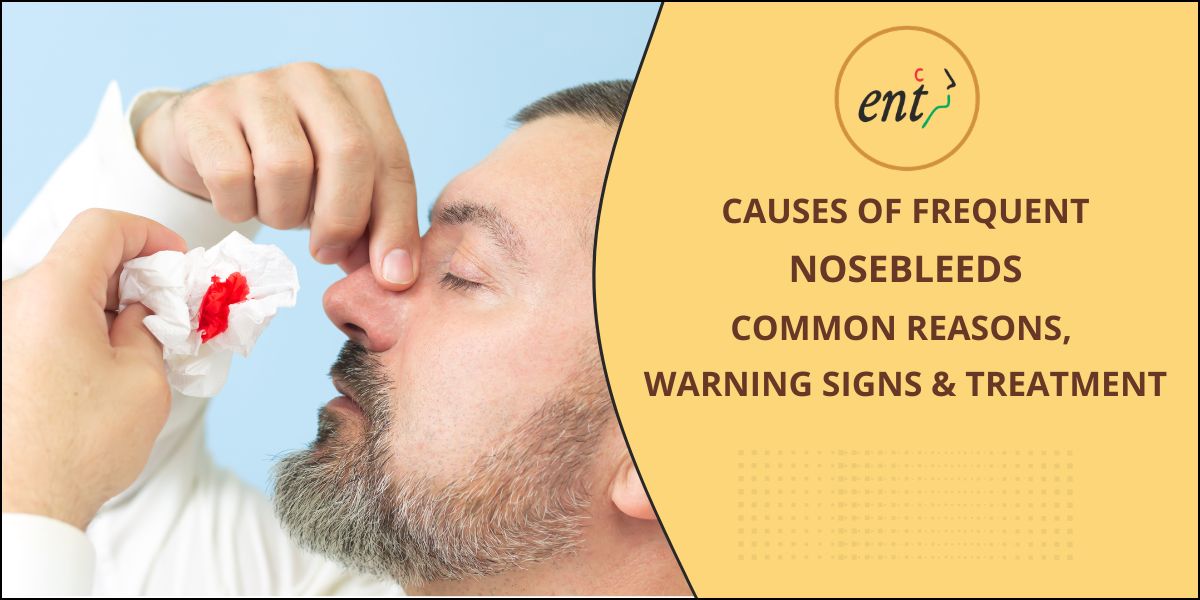
Causes of Frequent Nosebleeds
Causes of Frequent Nosebleeds A nosebleed, medically known as epistaxis, can happen suddenly and may look alarming. In many cases, nosebleeds are minor and stop within a few minutes. However, if you experience frequent nosebleeds, it is important to understand why they are happening rather than simply treating the bleeding each time. Frequent nosebleeds can result from something as simple as dry air or nose picking, but they can also be associated with allergies, infections, certain medications, or underlying health conditions. Knowing the possible causes can help you decide when medical evaluation is necessary. What Causes Frequent Nosebleeds? 1. Dry Air and Nasal Irritation Dry weather, air conditioning, and excessive use of room heaters can dry out the delicate lining inside the nose. When the nasal tissue becomes dry and develops small cracks, the tiny blood vessels can bleed easily. This is one of the most common reasons for recurring nosebleeds. 2. Nose Picking or Excessive Nose Blowing The blood vessels near the front of the nose are delicate and close to the surface. Frequent nose picking, rubbing the nose, or blowing it forcefully can damage these vessels and cause bleeding. 3. Allergies and Frequent Sneezing Allergic rhinitis can cause nasal congestion, itching, sneezing, and irritation. Repeated sneezing and rubbing of the nose may injure the nasal lining. People with chronic allergies may therefore experience repeated episodes of nosebleeds. 4. Nasal Infections Colds, sinus infections, and other nasal infections can inflame the nasal passages. Increased mucus, frequent nose blowing, and inflammation may make the blood vessels more vulnerable to bleeding. 5. Deviated Nasal Septum A deviated septum occurs when the wall separating the two nasal passages is displaced. It can cause uneven airflow and dryness in one part of the nose, potentially contributing to recurrent nosebleeds, nasal blockage, or breathing difficulties. 6. Certain Medicines Some medicines can increase the likelihood or severity of nosebleeds. Blood-thinning medicines, for example, can make it harder for bleeding to stop. Certain nasal sprays may also cause irritation or dryness when used incorrectly or excessively. If you take regular medication and are experiencing frequent nosebleeds, do not stop it on your own. Discuss the problem with your doctor. 7. High Blood Pressure High blood pressure does not usually cause every nosebleed, but uncontrolled blood pressure may contribute to prolonged or difficult-to-stop bleeding in some people. Adults with recurrent nosebleeds may therefore benefit from having their blood pressure checked. 8. Injury to the Nose A blow to the nose, sports injury, accidental impact, or even repeated minor trauma can damage nasal blood vessels. A nosebleed following a significant injury should be assessed, particularly if there is severe pain, swelling, deformity, or difficulty breathing. 9. Nasal Polyps or Other Nasal Conditions Structural problems inside the nose, including nasal polyps and other growths, can sometimes contribute to recurrent bleeding. Persistent one-sided nosebleeds, especially when accompanied by nasal blockage or discharge, should not be ignored. 10. Blood or Bleeding Disorders Less commonly, frequent or unusually heavy nosebleeds may be associated with problems affecting blood clotting or platelet function. This possibility becomes more important when nosebleeds occur along with easy bruising, bleeding gums, or prolonged bleeding from minor cuts. When Should You See a Doctor for Nosebleeds? Occasional nosebleeds are often not serious. However, medical evaluation is recommended if your nosebleeds are frequent, heavy, recurrent, or difficult to stop. You should seek prompt medical attention if bleeding continues despite applying appropriate pressure, follows a significant injury, causes weakness or dizziness, or occurs along with other unusual bleeding symptoms. A doctor may examine the inside of your nose to identify the source of bleeding and determine whether dryness, infection, a structural issue, medication, or another underlying condition is responsible. Depending on the cause, treatment may include nasal moisturization, medication, cauterization, or treatment of an underlying nasal condition. What Should You Do During a Nosebleed? Sit upright and lean slightly forward. Pinch the soft part of your nose continuously for about 10–15 minutes while breathing through your mouth. Avoid tilting your head backward, as this can cause blood to run down the throat. Once the bleeding stops, avoid forceful nose blowing, picking, or strenuous activity for a short period to reduce the chance of another episode. Nosebleed Treatment in Bhosari If you are experiencing repeated nosebleeds, identifying the underlying cause is more important than simply stopping the bleeding temporarily. Dr. Rohit Prasad, an ENT specialist in Bhosari, provides evaluation and treatment for nosebleeds and other ear, nose, and throat conditions. If you are looking for the best doctor for nosebleed treatment in Bhosari, consulting an experienced ENT specialist can help determine why the bleeding keeps recurring and whether further treatment is required. FAQs 1. What is the most common cause of frequent nosebleeds?Dry nasal passages, irritation, nose picking, allergies, and forceful nose blowing are common causes. 2. Can high blood pressure cause nosebleeds?Uncontrolled high blood pressure may contribute to prolonged or difficult-to-control bleeding in some cases. 3. Are frequent nosebleeds serious?Usually not, but recurrent, heavy, or difficult-to-stop nosebleeds should be evaluated by an ENT specialist. 4. How can I stop a nosebleed quickly?Sit upright, lean forward, and firmly pinch the soft part of your nose for 10–15 minutes. 5. When should I see an ENT doctor for nosebleeds?See an ENT specialist if nosebleeds happen repeatedly, are heavy, last longer than expected, or occur with other concerning symptoms. Recent Post Causes of Frequent Nosebleeds Is Sleeping with AC Affecting Your Sinuses? Nasal Polyps: Symptoms and Treatment Options कानातील मळ काढण्याची सुरक्षित पद्धत खर्राटे क्यों आते हैं और इलाज क्या है? contact us Name(Required) First Phone(Required)Your Message(Required)CAPTCHA
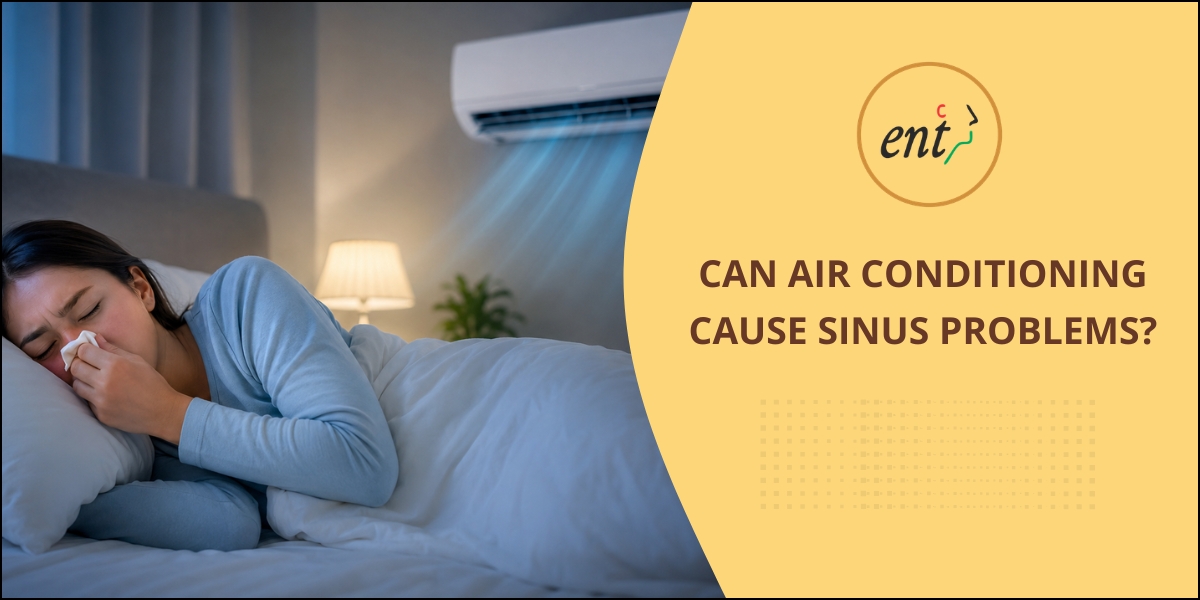
Is Sleeping with AC Affecting Your Sinuses?
Is Sleeping with AC Affecting Your Sinuses? Many people enjoy sleeping in an air-conditioned room, especially during hot summer nights. While AC helps you sleep comfortably, some people wake up with a blocked nose, dry throat, headache, or facial pressure. This often leads to one common question: Can sleeping with AC affect your sinuses? The answer is yes, it can—but not for everyone. Air conditioning itself does not cause sinus infections, but it can create conditions that make sinus problems worse, especially if you already have allergies or sensitive nasal passages. If you frequently experience sinus discomfort after sleeping in an air-conditioned room, understanding the cause can help you prevent future problems. What Are Sinuses? Sinuses are air-filled spaces located behind your forehead, cheeks, and nose. They produce mucus that keeps your nasal passages moist and helps trap dust, bacteria, and allergens. When the lining of the sinuses becomes irritated or swollen, mucus cannot drain properly. This can lead to congestion, facial pain, headaches, and sometimes sinus infections. Must Read Article : Chronic Sinusitis: When Is It Time for Functional Endoscopic Sinus Surgery How Does Air Conditioning Affect Your Sinuses? Air conditioners remove moisture from the air to keep rooms cool. While this creates a comfortable temperature, it also makes the air much drier. 1. Dry Nasal Passages Dry air can reduce the moisture inside your nose. This dries out the protective mucus layer, making your nose feel irritated and increasing the risk of inflammation. 2. Thick Mucus When your nasal passages become dry, mucus becomes thicker and stickier. Thick mucus is harder to drain, which may result in blocked sinuses and pressure around the face. 3. Dust and Allergens If AC filters are not cleaned regularly, they may circulate dust, pollen, mold spores, and other allergens throughout the room. These particles can trigger allergies and worsen sinus symptoms. 4. Sudden Temperature Changes Moving repeatedly between hot outdoor temperatures and a cold AC room may irritate the nasal lining in some people, leading to congestion or sneezing. Common Symptoms You May Notice If your AC is affecting your sinuses, you may wake up with: Stuffy or blocked nose Dry nose or throat Sneezing Facial pressure or pain Headache Thick nasal mucus Mild cough due to postnasal drip These symptoms often improve once your nasal passages regain moisture. Who Is More Likely to Be Affected? Certain people are more sensitive to air-conditioned environments, including: People with allergies Individuals with chronic sinusitis Asthma patients Those with a deviated nasal septum People suffering from frequent colds Elderly individuals and children If you fall into any of these groups, you may notice sinus symptoms more often while sleeping with the AC on. Tips to Protect Your Sinuses While Sleeping with AC Keep the Temperature Comfortable Avoid setting the AC at extremely low temperatures. A room temperature between 24°C and 26°C is generally more comfortable for most people. Stay Hydrated Drink enough water throughout the day to keep your body’s natural mucus moist. Use a Humidifier A humidifier can add moisture back into the room and reduce dryness caused by air conditioning. Clean AC Filters Regularly Dirty filters collect dust, mold, and allergens. Cleaning or replacing filters on time helps improve indoor air quality. Use Saline Nasal Spray Saline sprays or nasal rinses help moisturize the nasal lining and remove allergens from the nose before bedtime. Maintain Bedroom Hygiene Wash bedsheets regularly and reduce dust accumulation to minimize allergy triggers. When Should You See an ENT Specialist? Occasional dryness is usually not a serious concern. However, you should consult an ENT specialist if you experience: Sinus symptoms lasting more than 10 days Frequent sinus infections Severe facial pain Thick yellow or green nasal discharge Fever with sinus symptoms Difficulty breathing through the nose Recurring headaches associated with nasal blockage An ENT doctor can identify the underlying cause and recommend appropriate treatment before the condition becomes chronic. Treatment Options for Sinus Problems Treatment depends on the cause of your symptoms and may include: Saline nasal irrigation Allergy medications Nasal steroid sprays Steam inhalation Antibiotics (only when bacterial infection is confirmed) Treatment for structural problems such as a deviated septum, if necessary Avoid self-medicating with antibiotics, as many sinus problems are caused by allergies or viral infections rather than bacteria. Final Thoughts Sleeping with the AC does not directly cause sinus infections, but dry air, poor AC maintenance, and allergens can contribute to nasal irritation and sinus discomfort. Fortunately, simple steps like cleaning AC filters, staying hydrated, using saline sprays, and maintaining a comfortable room temperature can significantly reduce symptoms. If you continue to experience frequent sinus issues despite these measures, it is important to seek expert medical advice. Consult Dr. Rohit Prasad – ENT Specialist in Bhosari, Moshi If you suffer from recurring sinus problems, blocked nose, allergies, ear infections, or throat-related conditions, Dr. Rohit Prasad – Best ENT Doctor in Bhosari, Moshi provides comprehensive evaluation and personalized treatment. Dr. Rohit Prasad helps identify the root cause of sinus problems and offers effective treatment plans to improve your breathing, sleep, and overall quality of life. Recent Post Is Sleeping with AC Affecting Your Sinuses? Nasal Polyps: Symptoms and Treatment Options कानातील मळ काढण्याची सुरक्षित पद्धत खर्राटे क्यों आते हैं और इलाज क्या है? When Should Tonsils Be Removed? Guidelines for Adults and Kids contact us Name(Required) First Phone(Required)Your Message(Required)CAPTCHA

When to See an ENT Specialist for Persistent Cough
When to See an ENT Specialist for Persistent Cough A persistent cough can be more than just a nuisance—it may indicate an underlying health issue that requires medical attention. While occasional coughing is normal, a cough that lasts for weeks could signal a problem that an ENT (Ear, Nose, and Throat) specialist should evaluate. Common Causes of Persistent Cough A cough that lasts longer than 8 weeks in adults or 4 weeks in children is considered chronic. Some common ENT-related causes include: Postnasal Drip – Excess mucus from allergies or sinus infections can irritate the throat. Acid Reflux (GERD/LPR) – Stomach acid flowing back into the throat can cause chronic coughing. Chronic Sinusitis – Long-term sinus inflammation leads to persistent throat irritation. Laryngopharyngeal Reflux (LPR) – A silent reflux affecting the voice box and throat. Vocal Cord Dysfunction – Abnormal vocal cord movement can trigger coughing. Upper Respiratory Infections – Lingering infections may cause prolonged coughing. Allergies & Asthma – ENT-related allergies can contribute to chronic cough. When Should You See an ENT Specialist? ✔ Lasts more than 3-4 weeks without improvement✔ Is accompanied by hoarseness, throat pain, or difficulty swallowing✔ Produces blood or unusual mucus✔ Worsens at night or after meals (possible reflux)✔ Is linked to sinus pressure, nasal congestion, or postnasal drip How an ENT Specialist Can Help 🔹 Physical examination of the nose, throat, and ears🔹 Endoscopy to check for throat or vocal cord issues🔹 Allergy testing if allergic triggers are suspected🔹 Imaging tests (X-ray/CT scan) for sinus or airway problems🔹 pH monitoring to detect acid reflux Treatment may include medications, lifestyle changes, allergy management, or surgical interventions if necessary. Visit Dr. Rohit Prasad – ENT Specialist in Bhosari? If you’re struggling with a persistent cough, Dr. Rohit Prasad, a trusted ENT specialist in Bhosari, offers expert diagnosis and personalized treatment. With advanced ENT care, you can find relief from chronic cough and related conditions. Recent Post When to See an ENT Specialist for Persistent Cough Hearing Loss in Adults: Early Signs and Next Steps Sinus Infections: Causes, Symptoms, and Effective Treatments Common ENT Problems in Children: What Parents Need to Know Ear Infections: Causes, Symptoms, and Treatment Options contact us Name(Required) First Phone(Required)Your Message(Required)CAPTCHA
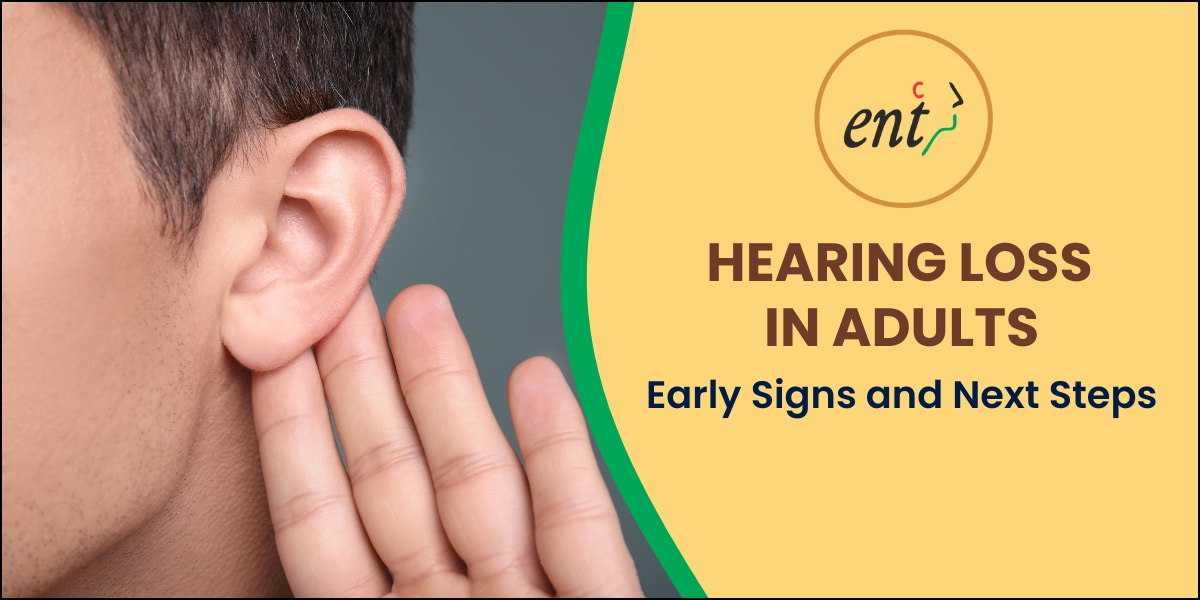
Hearing Loss in Adults: Early Signs and Next Steps
Hearing Loss in Adults: Early Signs and Next Steps Hearing loss is a common yet often overlooked health issue among adults. Many people ignore the early signs, assuming it’s a normal part of aging or a temporary problem. However, untreated hearing loss can lead to social isolation, cognitive decline, and reduced quality of life. Recognizing the early symptoms and taking prompt action can make a significant difference. If you or a loved one is experiencing hearing difficulties, Dr. Prasad ENT Hospital in Bhosari and Moshi offers expert diagnosis and treatment to help restore hearing health. Early Signs of Hearing Loss in Adults Hearing loss can develop gradually, making it difficult to notice at first. Here are some common early signs to watch for: Difficulty Understanding Speech – Struggling to follow conversations, especially in noisy environments like restaurants or social gatherings. Frequently Asking Others to Repeat Themselves – Needing people to repeat what they said or speaking louder. Turning Up the Volume Too High – Increasing the TV or radio volume to levels others find uncomfortable. Tinnitus (Ringing in the Ears) – Hearing constant buzzing, ringing, or hissing sounds with no external source. Avoiding Social Situations – Withdrawing from conversations due to difficulty hearing. Misunderstanding Spoken Words – Frequently mishearing words or responding inappropriately. Straining to Hear on the Phone – Finding it hard to understand phone conversations clearly. Common Causes of Hearing Loss in Adults Several factors contribute to hearing loss, including: Age-Related Hearing Loss (Presbycusis) – Gradual deterioration of hearing due to aging. Noise Exposure – Long-term exposure to loud noises (e.g., machinery, concerts, headphones). Earwax Buildup – Blockage that temporarily reduces hearing ability. Ear Infections or Fluid Buildup – Infections or Eustachian tube dysfunction affecting hearing. Ototoxic Medications – Certain drugs that damage the inner ear. Underlying Health Conditions – Diabetes, high blood pressure, or cardiovascular diseases. Next Steps: Diagnosis and Treatment If you notice any signs of hearing loss, seeking professional help early can prevent further deterioration. Here’s what you can do: Consult an ENT Specialist – A hearing evaluation by an ENT doctor can determine the cause and severity of hearing loss. Hearing Tests (Audiometry) – Tests like pure-tone audiometry and speech recognition help assess hearing levels. Earwax Removal (If Needed) – A simple procedure to clear blockages. Hearing Aids – Custom-fitted devices to amplify sounds for better hearing. Cochlear Implants (For Severe Cases) – Surgical options for profound hearing loss. Lifestyle Adjustments – Using assistive listening devices and communication strategies. Visit Dr. Prasad ENT Hospital For The Best ENT Care If you are in Bhosari, Moshi, or nearby areas, Dr. Prasad ENT Hospital provides comprehensive hearing care with advanced diagnostics and personalized treatment plans. Our expert ENT specialists are dedicated to improving your hearing health with: ✔ State-of-the-art hearing tests✔ Customized hearing aid fittings✔ Earwax removal and infection treatment✔ Surgical solutions for severe cases Don’t let hearing loss affect your daily life. Schedule a consultation at Dr. Prasad ENT Hospital today and take the first step toward better hearing! Recent Post Hearing Loss in Adults: Early Signs and Next Steps Sinus Infections: Causes, Symptoms, and Effective Treatments Common ENT Problems in Children: What Parents Need to Know Ear Infections: Causes, Symptoms, and Treatment Options Sleep Apnea: Causes, Symptoms & Treatment contact us Name(Required) First Phone(Required)Your Message(Required)CAPTCHA
Sinus Infections: Causes, Symptoms, and Effective Treatments
Sinus Infections: Causes, Symptoms, and Effective Treatments Sinus infections, also known as sinusitis, are a common condition affecting millions of people worldwide. They occur when the sinuses—hollow cavities around the nasal passages—become inflamed or infected. While sinus infections can be uncomfortable, understanding their causes, symptoms, and treatments can help you manage them effectively. What Causes Sinus Infections? Sinus infections can be triggered by various factors, including: Viral Infections – Most sinus infections start with a common cold or flu virus. Bacterial Infections – If a viral infection persists, bacteria can take over, leading to bacterial sinusitis. Fungal Infections – Rare but possible, especially in people with weakened immune systems. Allergies – Pollen, dust, or pet dander can cause inflammation, blocking sinus drainage. Nasal Polyps – Noncancerous growths in the nasal passages can obstruct sinuses. Deviated Septum – A crooked nasal septum can hinder proper sinus drainage. Environmental Irritants – Smoke, pollution, and strong chemicals can irritate sinuses. Common Symptoms of Sinus Infections The symptoms of sinusitis can vary depending on whether the infection is acute (short-term) or chronic (long-term). Common signs include: Facial pain or pressure (especially around the forehead, cheeks, and eyes) Nasal congestion and difficulty breathing Thick yellow or green nasal discharge Reduced sense of smell and taste Headache (often worsening when bending forward) Cough (which may worsen at night) Fatigue and fever (in some cases) If symptoms last longer than 10 days or worsen after initial improvement, it may indicate a bacterial infection requiring medical attention. Effective Treatments for Sinus Infections 1. Home Remedies & Self-Care Steam Inhalation – Helps loosen mucus and relieve congestion. Saline Nasal Sprays – Keeps nasal passages moist and flushes out irritants. Hydration – Drinking plenty of fluids thins mucus. Warm Compress – Reduces facial pain and pressure. Rest – Supports the immune system in fighting infection. 2. Over-the-Counter (OTC) Medications Decongestants – Provide short-term relief from nasal congestion. Pain Relievers – Ibuprofen or acetaminophen can ease headaches and discomfort. Antihistamines – Useful if allergies contribute to sinusitis. 3. Medical Treatments Antibiotics – Prescribed for bacterial sinus infections. Nasal Corticosteroids – Reduce inflammation in chronic cases. Allergy Shots (Immunotherapy) – Helps if allergies are the root cause. Surgery (in severe cases) – For chronic sinusitis, nasal polyps, or structural issues. When to See a Doctor Consult an ENT specialist if you experience: Severe headache or high fever Symptoms lasting more than 10 days Vision problems or swelling around the eyes Recurrent sinus infections Expert Sinus Infection Treatment in Bhosari If you’re struggling with persistent sinus infections, Dr. Prasad ENT Hospital offers advanced and personalized sinus infection treatment in Bhosari. With state-of-the-art diagnostic tools and expert care, Dr. Prasad and his team provide effective solutions, including: Accurate Diagnosis (Endoscopy & Imaging) Medical Management (Antibiotics, Nasal Sprays) Minimally Invasive Sinus Surgery (If Required) Allergy Testing & Treatment Don’t let sinus infections disrupt your life—seek professional help today! Contact Dr. Prasad ENT Hospital for expert care and relief from sinusitis. Recent Post Hearing Loss in Adults: Early Signs and Next Steps Sinus Infections: Causes, Symptoms, and Effective Treatments Common ENT Problems in Children: What Parents Need to Know Ear Infections: Causes, Symptoms, and Treatment Options Sleep Apnea: Causes, Symptoms & Treatment contact us Name(Required) First Phone(Required)Your Message(Required)CAPTCHA