
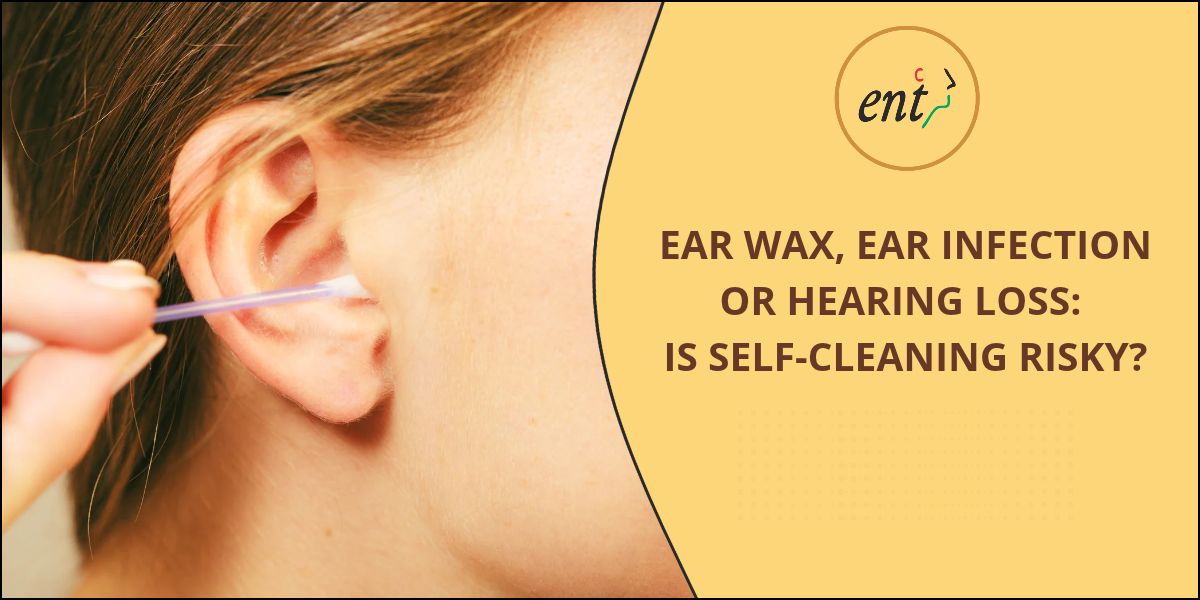
Ear Wax, Ear Infection or Hearing Loss: Why Self-Cleaning Can Be Risky
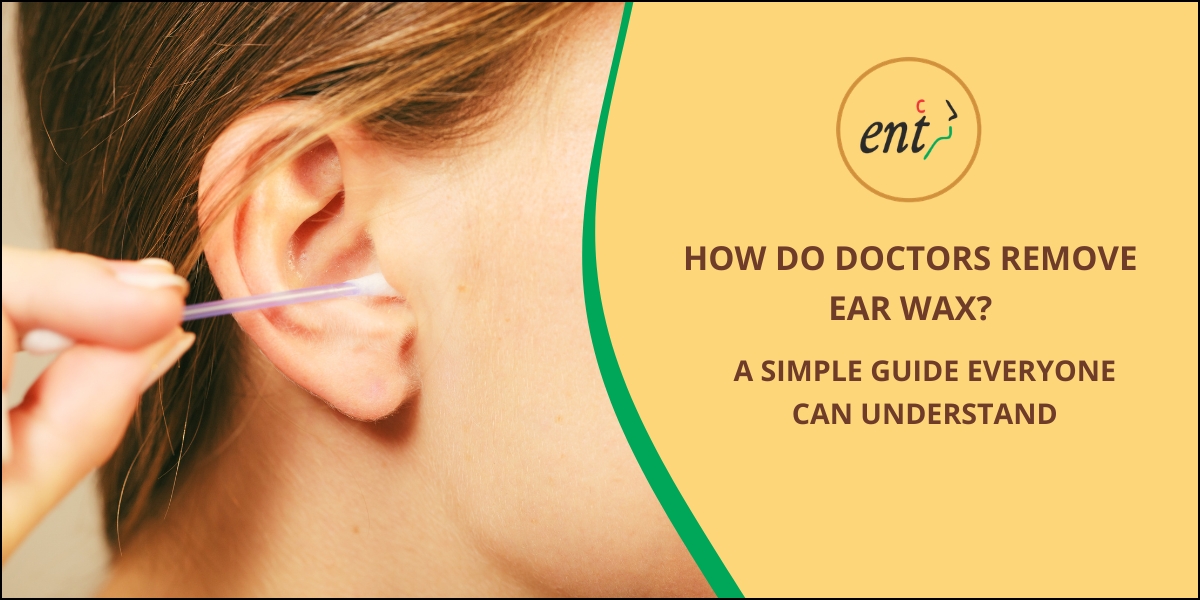
Ear wax is a natural substance that protects the ear canal, and in most people the ear cleans itself without help. Using cotton buds, hairpins, matchsticks, ear candles or strong home remedies can push wax deeper, scratch the skin of the canal, cause infection or injure the eardrum. A blocked feeling, reduced hearing, pain or discharge should be checked by an ENT doctor, because these symptoms can come from ear wax, an infection or hearing loss.
This article explains what ear wax does, why self-cleaning can be risky, how to tell wax from infection or hearing loss, and when to see a doctor. It is general information and does not replace an examination.
What Is Ear Wax and Why Do We Have It?
Ear wax, also called cerumen, is made by glands in the outer part of the ear canal. It traps dust and small particles, keeps the skin of the canal from drying out and helps protect against germs. Chewing and jaw movement slowly move old wax toward the opening of the ear, where it dries and falls out or is washed away during a bath.
The amount and type of wax differs from person to person. It can be dry or sticky, light or dark. Having wax is normal. It becomes a problem only when it blocks the canal and causes symptoms.
Why Self-Cleaning Can Be Risky
Many people clean their ears every day with cotton buds or other objects. This can do more harm than good.
- Wax is pushed deeper: instead of removing wax, a bud can pack it against the eardrum and cause a blockage
- Scratches and infection: the skin of the ear canal is thin and easily injured. A scratch can allow bacteria or fungus to grow, causing outer ear infection
- Eardrum injury: a sudden push or a slip can tear the eardrum, causing pain, bleeding and hearing loss
- Ear candling: burning candles near the ear do not draw wax out, and can cause burns, wax blockage from candle residue and injury
- Unsafe drops and oils: putting drops or oils in the ear without advice can be harmful if there is a hole in the eardrum, an infection or earlier ear surgery
- Sharp objects: pins, keys, pens and hairclips can damage the canal and eardrum
As a general rule, nothing smaller than your elbow should go into your ear. Clean only the outer part of the ear with a soft cloth, and leave the canal to clean itself. Our post on how doctors remove ear wax explains the safe methods.
Signs of Ear Wax Build-Up
- A feeling of fullness or blockage in the ear
- Reduced hearing, usually mild and in one ear
- Ringing or buzzing sound (tinnitus)
- Itching or mild discomfort in the ear
- Earache, mostly with pressure
- Cough, or a feeling of dizziness in some people
People who use hearing aids, earphones or ear plugs for long periods, older adults, children and people with narrow or hairy ear canals are more likely to have wax build-up.
Ear Wax or Ear Infection?
Ear wax and ear infection can feel similar at first, but infections have extra signs.
Outer ear infection (otitis externa)
This affects the skin of the ear canal. It often follows water entry or scratching and may cause itching, redness, pain on touching or pulling the ear, swelling of the canal and discharge.
Middle ear infection (otitis media)
This is an infection behind the eardrum, often after a cold or sore throat, and is common in children. It may cause ear pain, fever, a feeling of fullness, reduced hearing and sometimes discharge if the eardrum ruptures. Children may be irritable, pull at the ear, sleep badly or stop feeding well.
See common ear infections: symptoms, causes and when to see a doctor for more detail. Do not use ear drops without medical advice if there is discharge or pain, since an infection or a hole in the eardrum may be present.
Ear Wax or Hearing Loss?
Wax can cause a mild, temporary drop in hearing, but hearing loss can have other causes. These include fluid behind the eardrum, an eardrum perforation, noise exposure, ageing, ear bone problems and damage to the inner ear or hearing nerve. Wax may also hide an underlying problem, which is why a proper check is useful.
Signs that hearing loss may be more than wax include:
- Hearing that does not improve after wax is removed
- Difficulty following speech in a crowd or on the phone
- Turning the TV volume up more than before
- Hearing loss in one ear that is sudden or quickly worsening
- Ringing in the ears along with dizziness
- Hearing loss in a child, such as poor response to sound or delayed speech
Our post on hearing loss in adults: early signs and next steps may help you understand what to look for.
What Does an ENT Doctor Do?
The doctor will ask about your symptoms, hearing, ear surgery, water exposure, medicines and use of hearing aids or earphones. The ear canal and eardrum are examined with an otoscope or an endoscope. If wax is blocking the view or causing symptoms, it may be removed in the clinic by one of these methods, chosen after examination:
- Wax softening drops for a few days, if advised
- Manual removal with small instruments under direct vision
- Suction with a gentle suction device
- Irrigation with warm water, only when the eardrum is known to be intact
If hearing loss is suspected, the doctor may advise a hearing test (audiometry) or an eardrum test (tympanometry). Treatment depends on the cause, and may include ear drops, medicines, treatment of a blocked nose or throat problem, hearing aids or, in some cases, a procedure. Your doctor will explain what suits you.
Safe Ear Care Habits
- Leave the canal alone and clean only the outer ear with a soft cloth
- Keep your ears dry after swimming or bathing by tilting the head and gently drying the outer ear
- Do not use cotton buds, pins, ear candles or home remedies in the ear
- Do not put drops or oils in the ear without medical advice
- Keep earphone volume low and take breaks, and clean earphones regularly
- Do not let children put objects in their ears, and check their ears if they pull at them or have a cold
- Have your ears and hearing checked if you wear hearing aids or have repeated wax build-up
When Should You See an ENT Doctor?
Consult a doctor if you have a blocked ear, reduced hearing, pain, itching that does not settle or ringing in the ear. Seek prompt care for the following:
- Sudden hearing loss in one or both ears
- Ear discharge, blood or pus from the ear
- Severe ear pain or fever
- Dizziness, spinning or facial weakness
- Swelling, redness or pain behind the ear
- A foreign object in the ear
- Ear symptoms in a person with diabetes or weak immunity
Frequently Asked Questions
Is it safe to clean my ears with cotton buds?
It is generally not advised. Cotton buds can push wax deeper, scratch the ear canal and, in rare cases, injure the eardrum. Clean only the outer ear with a soft cloth and see a doctor if you feel blocked.
Do ear candles remove ear wax?
There is no reliable evidence that ear candling removes wax. It can cause burns, block the ear with candle residue and injure the ear. Doctors advise against it.
How do I know if my blocked ear is wax or an infection?
Wax usually causes a blocked feeling and mild hearing loss. Infection often comes with pain, discharge, swelling, itching or fever. Only an examination can tell the difference, so see a doctor if you are unsure.
Can ear wax cause hearing loss?
Yes, a build-up that blocks the canal can reduce hearing temporarily, and hearing usually improves after safe removal. If hearing does not improve, other causes need to be looked into.
Can I put oil or drops in my ear at home?
Do not put drops or oil in the ear unless a doctor has advised it. They can be harmful if there is a hole in the eardrum, an infection or earlier ear surgery.
How often should ears be cleaned by a doctor?
Most people do not need regular cleaning because the ears clean themselves. People who get repeated wax blockage or use hearing aids may need periodic checks, as advised by their ENT doctor.
Consult Dr. Rohit Prasad, ENT Specialist in Bhosari
If you have a blocked ear, ear pain, discharge or trouble hearing, an ENT examination can help find the cause and the right next step. Dr. Rohit Prasad (MBBS, MS ENT) is an ENT surgeon practising in Bhosari, Pune. Read more about Dr. Rohit Prasad or about hearing disorders and ear care.
- Address: Shop No. 103, 104, 105, 1st Floor, Glorious Crown, Spine Road, Near Jai Ganesh Samrajya, H Wing, Bhosari, Pune 411026
- Phone: +91 97648 10848