
Functional Endoscopic Sinus Surgery (FESS): Clearer Breathing Made Simple
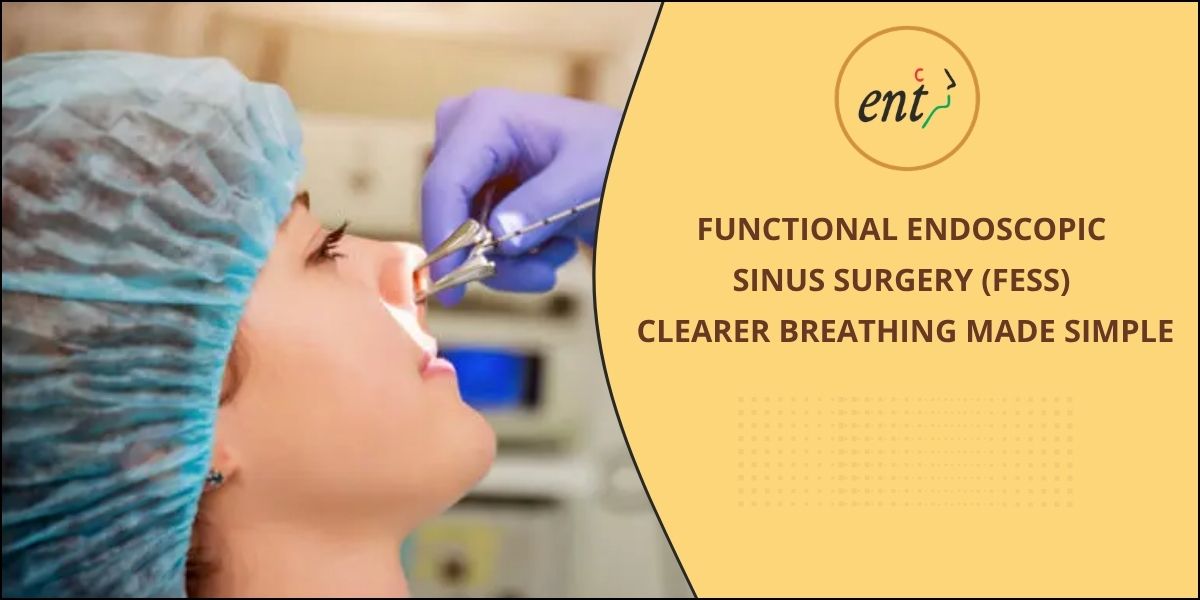
Breathing freely through your nose may seem like something you should never have to think about. But for people with long-term sinus problems, blocked noses, facial pressure, headaches, or repeated sinus infections, normal breathing can become a daily struggle.
Medicines, nasal sprays, and other treatments can often control sinus symptoms. However, when sinus problems continue despite appropriate medical treatment, your ENT specialist may recommend Functional Endoscopic Sinus Surgery (FESS).
FESS is a minimally invasive sinus surgery designed to improve the natural drainage and ventilation of the sinuses. The goal is simple: to help your sinuses function better and make breathing more comfortable.
What Is Functional Endoscopic Sinus Surgery?
Functional Endoscopic Sinus Surgery, commonly called FESS, is a procedure used to treat certain chronic sinus conditions.
During FESS, an ENT surgeon uses a thin instrument called an endoscope. It has a small camera that allows the surgeon to see inside the nose and sinus passages without making external cuts on the face.
The surgeon carefully opens blocked sinus drainage pathways and removes tissue or other blockages when necessary. This helps improve the movement of air and drainage of mucus from the sinuses.
Unlike older sinus surgery techniques, FESS focuses on treating the problem while preserving as much healthy tissue as possible.
Why Do Sinuses Get Blocked?
The sinuses are air-filled spaces around your nose, cheeks, eyes, and forehead. Normally, mucus produced inside the sinuses drains through small openings into the nasal cavity.
These drainage pathways can become blocked because of:
- Chronic sinusitis
- Nasal polyps
- Swollen nasal tissues
- Repeated sinus infections
- A deviated nasal septum
- Certain anatomical problems
- Inflammation caused by allergies or other conditions
When drainage is blocked, mucus can build up and create an environment where inflammation and infection may persist.
When Might FESS Be Recommended?
Not everyone with sinus problems needs surgery. In many cases, ENT doctors first try appropriate medical treatment.
FESS may be considered when symptoms continue or repeatedly return despite medical management.
Common symptoms that may lead to an ENT evaluation include:
- Long-lasting nasal blockage
- Difficulty breathing through the nose
- Repeated sinus infections
- Facial pressure or pain
- Thick nasal discharge
- Reduced sense of smell
- Post-nasal drip
- Persistent sinus-related headaches
- Chronic inflammation of the sinuses
Your ENT specialist may use a nasal endoscopy and, when appropriate, a CT scan of the sinuses to understand the condition before recommending surgery.
How Is FESS Performed?
FESS is generally performed through the nostrils, so there are usually no visible external cuts.
The procedure typically involves these steps:
1. Examination of the sinus passages:
The surgeon uses an endoscope to identify areas that are blocked or inflamed.
2. Opening blocked drainage pathways:
The surgeon carefully enlarges the natural openings of the affected sinuses to improve drainage and ventilation.
3. Removing blockages:
If polyps, diseased tissue, or other obstructions are present, they may be removed as needed.
4. Preserving healthy tissue:
The procedure aims to address the underlying blockage while preserving normal structures as much as possible.
The exact procedure varies from person to person depending on the cause and extent of sinus disease.
What Are the Benefits of FESS?
The main purpose of FESS is to restore better sinus drainage and function. Depending on the underlying condition, patients may experience improvements such as:
- Easier nasal breathing
- Better sinus drainage
- Fewer recurrent sinus infections
- Reduced nasal blockage
- Improvement in facial pressure
- Better sense of smell in some patients
- Improved quality of life
It is important to understand that results can vary. FESS treats structural or persistent sinus problems, but some underlying conditions, such as allergies or chronic inflammation, may still require ongoing medical care.
Is FESS a Painful Procedure?
Because FESS is performed under anaesthesia, you should not feel pain during the procedure.
After surgery, some patients experience temporary nasal blockage, mild discomfort, pressure, or a feeling of congestion. Your ENT specialist will provide instructions regarding medicines, nasal care, and follow-up.
Recovery is different for every person and depends on the extent of surgery and individual health factors.
What Can You Expect After FESS?
Following FESS, proper aftercare is an important part of recovery.
Your doctor may recommend:
- Saline nasal rinses
- Prescribed medications
- Avoiding strenuous activities for a specific period
- Keeping follow-up appointments
- Regular cleaning of the nasal passages when advised
You may not experience the full benefit immediately because swelling and healing inside the nose can take time.
Following your ENT specialist’s instructions can help support proper healing and reduce the chance of complications.
Is FESS Right for Everyone?
FESS is not automatically the right treatment for every person with sinus symptoms.
An ENT specialist will consider your symptoms, medical history, nasal examination, response to previous treatment, and imaging findings before recommending surgery.
If your symptoms are caused primarily by allergies, for example, controlling the allergy may be an important part of treatment. In other cases, a structural problem or chronic sinus disease may make surgery more appropriate.
The best treatment is therefore based on the cause of your sinus problem, rather than symptoms alone.
Functional Endoscopic Sinus Surgery in Bhosari, Pune
If you are dealing with persistent sinus problems, nasal blockage, recurrent sinus infections, or difficulty breathing through your nose, an evaluation by an experienced ENT specialist can help identify the underlying cause. Dr. Prasad ENT Hospital offers Functional Endoscopic Sinus Surgery in Bhosari, Pune, with evaluation and treatment planned according to the individual patient’s sinus condition. If medicines and other conservative treatments have not provided sufficient relief, an ENT consultation can help determine whether FESS or another treatment option may be appropriate for you. The focus is on improving sinus drainage, nasal breathing, and overall comfort while addressing the underlying problem.
Frequently Asked Questions About FESS
1. What does FESS stand for?
FESS stands for Functional Endoscopic Sinus Surgery. It is a minimally invasive procedure used to improve sinus drainage and treat certain chronic sinus conditions.
2. Is FESS done through the nose?
Yes. FESS is generally performed through the nostrils using an endoscope, so there are usually no external facial cuts.
3. How long does it take to recover from FESS?
Recovery varies depending on the extent of surgery and the individual. Your ENT specialist will provide specific recovery and aftercare instructions.
4. Can FESS permanently cure sinusitis?
FESS can improve sinus drainage and address structural blockages, but some conditions, such as allergies or chronic inflammation, may continue to require medical management.
5. When should I see an ENT specialist for sinus problems?
Consider an ENT evaluation if nasal blockage, recurrent sinus infections, facial pressure, reduced smell, or other sinus symptoms persist or keep returning despite treatment.