
Causes of Frequent Nosebleeds
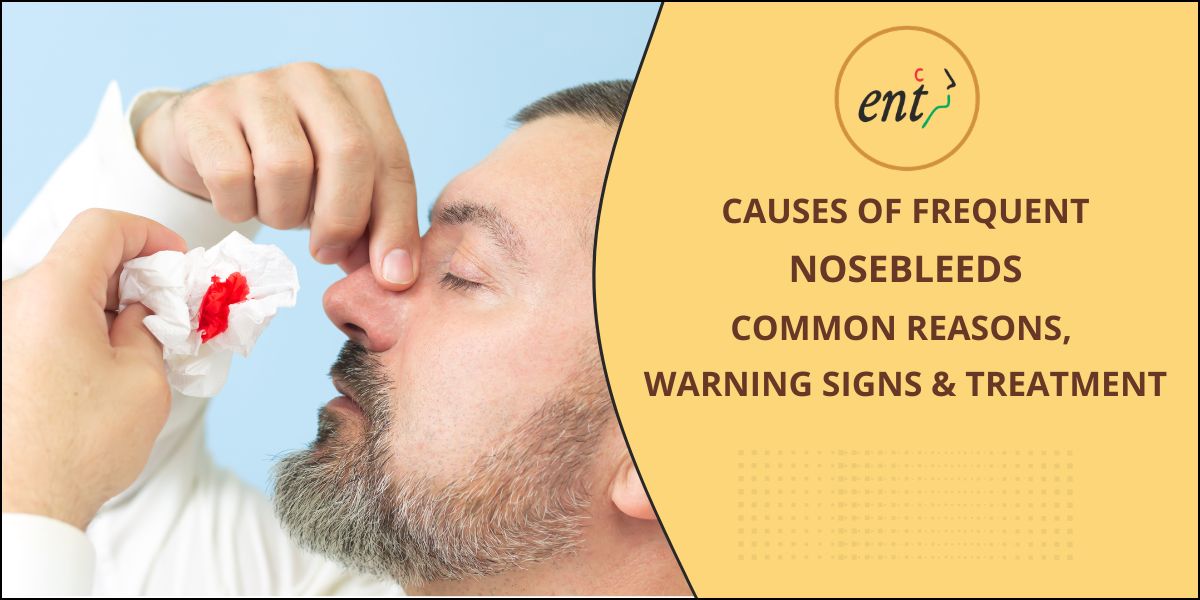
A nosebleed, medically known as epistaxis, can happen suddenly and may look alarming. In many cases, nosebleeds are minor and stop within a few minutes. However, if you experience frequent nosebleeds, it is important to understand why they are happening rather than simply treating the bleeding each time.
Frequent nosebleeds can result from something as simple as dry air or nose picking, but they can also be associated with allergies, infections, certain medications, or underlying health conditions. Knowing the possible causes can help you decide when medical evaluation is necessary.
What Causes Frequent Nosebleeds?
1. Dry Air and Nasal Irritation
Dry weather, air conditioning, and excessive use of room heaters can dry out the delicate lining inside the nose. When the nasal tissue becomes dry and develops small cracks, the tiny blood vessels can bleed easily. This is one of the most common reasons for recurring nosebleeds.
2. Nose Picking or Excessive Nose Blowing
The blood vessels near the front of the nose are delicate and close to the surface. Frequent nose picking, rubbing the nose, or blowing it forcefully can damage these vessels and cause bleeding.
3. Allergies and Frequent Sneezing
Allergic rhinitis can cause nasal congestion, itching, sneezing, and irritation. Repeated sneezing and rubbing of the nose may injure the nasal lining. People with chronic allergies may therefore experience repeated episodes of nosebleeds.
4. Nasal Infections
Colds, sinus infections, and other nasal infections can inflame the nasal passages. Increased mucus, frequent nose blowing, and inflammation may make the blood vessels more vulnerable to bleeding.
5. Deviated Nasal Septum
A deviated septum occurs when the wall separating the two nasal passages is displaced. It can cause uneven airflow and dryness in one part of the nose, potentially contributing to recurrent nosebleeds, nasal blockage, or breathing difficulties.
6. Certain Medicines
Some medicines can increase the likelihood or severity of nosebleeds. Blood-thinning medicines, for example, can make it harder for bleeding to stop. Certain nasal sprays may also cause irritation or dryness when used incorrectly or excessively.
If you take regular medication and are experiencing frequent nosebleeds, do not stop it on your own. Discuss the problem with your doctor.
7. High Blood Pressure
High blood pressure does not usually cause every nosebleed, but uncontrolled blood pressure may contribute to prolonged or difficult-to-stop bleeding in some people. Adults with recurrent nosebleeds may therefore benefit from having their blood pressure checked.
8. Injury to the Nose
A blow to the nose, sports injury, accidental impact, or even repeated minor trauma can damage nasal blood vessels. A nosebleed following a significant injury should be assessed, particularly if there is severe pain, swelling, deformity, or difficulty breathing.
9. Nasal Polyps or Other Nasal Conditions
Structural problems inside the nose, including nasal polyps and other growths, can sometimes contribute to recurrent bleeding. Persistent one-sided nosebleeds, especially when accompanied by nasal blockage or discharge, should not be ignored.
10. Blood or Bleeding Disorders
Less commonly, frequent or unusually heavy nosebleeds may be associated with problems affecting blood clotting or platelet function. This possibility becomes more important when nosebleeds occur along with easy bruising, bleeding gums, or prolonged bleeding from minor cuts.
When Should You See a Doctor for Nosebleeds?
Occasional nosebleeds are often not serious. However, medical evaluation is recommended if your nosebleeds are frequent, heavy, recurrent, or difficult to stop.
You should seek prompt medical attention if bleeding continues despite applying appropriate pressure, follows a significant injury, causes weakness or dizziness, or occurs along with other unusual bleeding symptoms.
A doctor may examine the inside of your nose to identify the source of bleeding and determine whether dryness, infection, a structural issue, medication, or another underlying condition is responsible. Depending on the cause, treatment may include nasal moisturization, medication, cauterization, or treatment of an underlying nasal condition.
What Should You Do During a Nosebleed?
Sit upright and lean slightly forward. Pinch the soft part of your nose continuously for about 10–15 minutes while breathing through your mouth. Avoid tilting your head backward, as this can cause blood to run down the throat.
Once the bleeding stops, avoid forceful nose blowing, picking, or strenuous activity for a short period to reduce the chance of another episode.
Nosebleed Treatment in Bhosari
If you are experiencing repeated nosebleeds, identifying the underlying cause is more important than simply stopping the bleeding temporarily. Dr. Rohit Prasad, an ENT specialist in Bhosari, provides evaluation and treatment for nosebleeds and other ear, nose, and throat conditions. If you are looking for the best doctor for nosebleed treatment in Bhosari, consulting an experienced ENT specialist can help determine why the bleeding keeps recurring and whether further treatment is required.
FAQs
1. What is the most common cause of frequent nosebleeds?
Dry nasal passages, irritation, nose picking, allergies, and forceful nose blowing are common causes.
2. Can high blood pressure cause nosebleeds?
Uncontrolled high blood pressure may contribute to prolonged or difficult-to-control bleeding in some cases.
3. Are frequent nosebleeds serious?
Usually not, but recurrent, heavy, or difficult-to-stop nosebleeds should be evaluated by an ENT specialist.
4. How can I stop a nosebleed quickly?
Sit upright, lean forward, and firmly pinch the soft part of your nose for 10–15 minutes.
5. When should I see an ENT doctor for nosebleeds?
See an ENT specialist if nosebleeds happen repeatedly, are heavy, last longer than expected, or occur with other concerning symptoms.