

Home remedy for sore throat and dry cough A sore throat and dry cough can be incredibly uncomfortable, often caused by infections, allergies, or environmental irritants. While medical treatment may be necessary in severe cases, several home remedies for sore throat and dry cough can provide quick relief. Here are some natural solutions to soothe your symptoms. 1. Saltwater Gargle One of the oldest and most effective home remedies for throat irritation is gargling with warm salt water. It helps reduce inflammation and kills bacteria in the throat. How to use: Mix ½ teaspoon of salt in a glass of warm water. Gargle for 15-30 seconds, then spit it out. Repeat 2-3 times daily. 2. Honey and Warm Water Honey has natural antibacterial and soothing properties, making it an excellent home remedy for dry cough. How to use: Mix 1-2 teaspoons of honey in warm water or herbal tea. Drink it 2-3 times a day for relief. (Note: Avoid giving honey to children under 1 year old.) 3. Ginger Tea Ginger has anti-inflammatory effects that can help ease throat pain and suppress coughing. How to use: Boil fresh ginger slices in water for 5-10 minutes. Strain, add honey, and drink warm. 4. Turmeric Milk (Golden Milk) Turmeric contains curcumin, which has powerful anti-inflammatory and antimicrobial benefits. How to use: Mix ½ teaspoon of turmeric powder in warm milk. Drink before bedtime for relief from nighttime dry cough. 5. Steam Inhalation Dry air can worsen throat irritation. Steam inhalation helps moisturize the throat and clear congestion. How to use: Boil water and pour it into a bowl. Lean over the bowl, cover your head with a towel, and inhale the steam for 5-10 minutes. 6. Licorice Root Tea Licorice root is known for its soothing effects on the throat and can help reduce coughing. How to use: Steep licorice root in hot water for 5-10 minutes. Strain and drink warm. 7. Stay Hydrated Drinking plenty of fluids keeps the throat moist and helps flush out toxins. Opt for: Warm water Herbal teas Broth-based soups When to See a Doctor? If your sore throat and dry cough persist for more than a week or are accompanied by: High fever Difficulty breathing Swollen lymph nodes Dr. Rohit Prasad – Throat Specialist in Bhosari For persistent sore throat, chronic cough, or throat infections, visit Dr. Rohit Prasad, a renowned ENT specialist in Bhosari, for expert diagnosis and treatment. Recent Post Home remedy for sore throat and dry cough What is the Most Common Cause of Constant Throat Clearing? Snoring and Sleep Apnea: ENT Solutions When to See an ENT Specialist for Persistent Cough Hearing Loss in Adults: Early Signs and Next Steps contact us Name(Required) First Phone(Required)Your Message(Required)CAPTCHA
What is the Most Common Cause of Constant Throat Clearing?
What is the Most Common Cause of Constant Throat Clearing? Constant throat clearing can be an annoying and persistent issue, often signaling an underlying condition. If you frequently feel the need to clear your throat, it’s essential to understand the possible causes and seek appropriate treatment. Common Causes of Constant Throat Clearing 1. Postnasal Drip (PND) One of the most frequent causes of throat clearing is postnasal drip, where excess mucus from the nose or sinuses drips down the back of the throat. This can be due to: Allergies (hay fever) Sinus infections Cold or flu Environmental irritants (dust, smoke, pollution) 2. Acid Reflux (GERD/LPR) Gastroesophageal reflux disease (GERD) or laryngopharyngeal reflux (LPR) occurs when stomach acid flows back into the throat, irritating the vocal cords and causing: Chronic throat clearing Hoarseness Burning sensation Persistent cough 3. Allergies & Irritants Exposure to allergens like pollen, dust, pet dander, or chemical fumes can trigger throat irritation, leading to frequent throat clearing. 4. Chronic Sinusitis Long-term sinus inflammation increases mucus production, contributing to postnasal drip and throat discomfort. 5. Vocal Strain & Throat Irritation Overusing your voice (shouting, excessive talking) or breathing through the mouth (due to nasal congestion) can dry out the throat, making you clear it repeatedly. 6. Smoking & Air Pollution Tobacco smoke and air pollutants can irritate the throat lining, leading to chronic throat clearing. 7. Psychological Factors (Habitual Throat Clearing) Sometimes, throat clearing becomes a habit or nervous tic, even without an underlying medical issue. When to See a Doctor? If throat clearing persists for weeks or is accompanied by: Difficulty swallowing Hoarse voice lasting over 2 weeks Unexplained weight loss Blood in saliva Treatment & Prevention Tips – Stay hydrated – Drink plenty of water to thin mucus.– Use a humidifier – Prevents throat dryness.– Avoid irritants – Quit smoking, reduce exposure to allergens.– Manage acid reflux – Elevate your head while sleeping, avoid spicy/fatty foods.– Nasal saline rinses – Help reduce postnasal drip.–Antihistamines/decongestants – Useful for allergy-related throat clearing. Expert ENT Care in Bhosari If constant throat clearing is affecting your daily life, consult Dr. Rohit Prasad, a leading ENT Specialist in Bhosari, for accurate diagnosis and personalized treatment. Recent Post What is the Most Common Cause of Constant Throat Clearing? Snoring and Sleep Apnea: ENT Solutions When to See an ENT Specialist for Persistent Cough Hearing Loss in Adults: Early Signs and Next Steps Sinus Infections: Causes, Symptoms, and Effective Treatments contact us Name(Required) First Phone(Required)Your Message(Required)CAPTCHA
Snoring and Sleep Apnea: ENT Solutions
Snoring and Sleep Apnea: ENT Solutions Snoring and sleep apnea are common sleep disorders that affect millions of people worldwide. While snoring may seem harmless, it can sometimes indicate a more serious condition like obstructive sleep apnea (OSA), which can lead to health complications if left untreated. Fortunately, ENT (Ear, Nose, and Throat) specialists offer effective treatments to help patients achieve restful sleep. If you or a loved one suffers from chronic snoring or sleep apnea in Bhosari, consulting an experienced ENT doctor can make a significant difference. Understanding Snoring and Sleep Apnea What Causes Snoring? Snoring occurs when the airflow through the mouth and nose is partially blocked during sleep, causing vibrations in the throat tissues. Common causes include: Nasal congestion (due to allergies, colds, or sinus issues) Enlarged tonsils or adenoids Excess weight leading to throat tissue relaxation Sleeping position (back sleeping worsens snoring) What Is Sleep Apnea? Sleep apnea is a serious disorder where breathing repeatedly stops and starts during sleep. The most common type is obstructive sleep apnea (OSA), caused by throat muscles relaxing excessively. Symptoms include: Loud snoring with gasping or choking sounds Daytime fatigue and headaches Poor concentration and irritability High blood pressure and increased risk of heart disease ENT Solutions for Snoring and Sleep Apnea As a leading ENT doctor in Bhosari, Dr. Rohit Prasad provides advanced diagnostic and treatment options tailored to each patient’s needs. 1. Diagnosis Sleep Study (Polysomnography): Monitors breathing patterns, oxygen levels, and sleep stages. Nasal Endoscopy: Examines nasal and throat passages for obstructions. 2. Non-Surgical Treatments Lifestyle Modifications: Weight loss, avoiding alcohol before bed, and changing sleep positions. CPAP (Continuous Positive Airway Pressure) Therapy: A machine that keeps airways open during sleep. Oral Appliances: Custom-fitted devices that reposition the jaw to improve airflow. 3. Surgical Treatments (If Needed) Septoplasty: Corrects a deviated septum to improve nasal airflow. Tonsillectomy/Adenoidectomy: Removes enlarged tonsils or adenoids. Uvulopalatopharyngoplasty (UPPP): Removes excess throat tissue to widen the airway. Why Choose Dr. Rohit Prasad for Snoring Treatment in Bhosari? Expert ENT Specialist: Specialized in diagnosing and treating sleep-related breathing disorders. Personalized Care: Tailored treatment plans based on individual needs. Advanced Techniques: Uses the latest medical and surgical approaches for effective results. Don’t let snoring or sleep apnea disrupt your life. If you’re in Bhosari and seeking expert care, Dr. Rohit Prasad offers comprehensive ENT solutions to help you breathe easier and sleep better. Recent Post Snoring and Sleep Apnea: ENT Solutions When to See an ENT Specialist for Persistent Cough Hearing Loss in Adults: Early Signs and Next Steps Sinus Infections: Causes, Symptoms, and Effective Treatments Common ENT Problems in Children: What Parents Need to Know contact us Name(Required) First Phone(Required)Your Message(Required)CAPTCHA

When to See an ENT Specialist for Persistent Cough
When to See an ENT Specialist for Persistent Cough A persistent cough can be more than just a nuisance—it may indicate an underlying health issue that requires medical attention. While occasional coughing is normal, a cough that lasts for weeks could signal a problem that an ENT (Ear, Nose, and Throat) specialist should evaluate. Common Causes of Persistent Cough A cough that lasts longer than 8 weeks in adults or 4 weeks in children is considered chronic. Some common ENT-related causes include: Postnasal Drip – Excess mucus from allergies or sinus infections can irritate the throat. Acid Reflux (GERD/LPR) – Stomach acid flowing back into the throat can cause chronic coughing. Chronic Sinusitis – Long-term sinus inflammation leads to persistent throat irritation. Laryngopharyngeal Reflux (LPR) – A silent reflux affecting the voice box and throat. Vocal Cord Dysfunction – Abnormal vocal cord movement can trigger coughing. Upper Respiratory Infections – Lingering infections may cause prolonged coughing. Allergies & Asthma – ENT-related allergies can contribute to chronic cough. When Should You See an ENT Specialist? ✔ Lasts more than 3-4 weeks without improvement✔ Is accompanied by hoarseness, throat pain, or difficulty swallowing✔ Produces blood or unusual mucus✔ Worsens at night or after meals (possible reflux)✔ Is linked to sinus pressure, nasal congestion, or postnasal drip How an ENT Specialist Can Help 🔹 Physical examination of the nose, throat, and ears🔹 Endoscopy to check for throat or vocal cord issues🔹 Allergy testing if allergic triggers are suspected🔹 Imaging tests (X-ray/CT scan) for sinus or airway problems🔹 pH monitoring to detect acid reflux Treatment may include medications, lifestyle changes, allergy management, or surgical interventions if necessary. Visit Dr. Rohit Prasad – ENT Specialist in Bhosari? If you’re struggling with a persistent cough, Dr. Rohit Prasad, a trusted ENT specialist in Bhosari, offers expert diagnosis and personalized treatment. With advanced ENT care, you can find relief from chronic cough and related conditions. Recent Post When to See an ENT Specialist for Persistent Cough Hearing Loss in Adults: Early Signs and Next Steps Sinus Infections: Causes, Symptoms, and Effective Treatments Common ENT Problems in Children: What Parents Need to Know Ear Infections: Causes, Symptoms, and Treatment Options contact us Name(Required) First Phone(Required)Your Message(Required)CAPTCHA
Hearing Loss in Adults: Early Signs and Next Steps
Hearing Loss in Adults: Early Signs and Next Steps Hearing loss is a common yet often overlooked health issue among adults. Many people ignore the early signs, assuming it’s a normal part of aging or a temporary problem. However, untreated hearing loss can lead to social isolation, cognitive decline, and reduced quality of life. Recognizing the early symptoms and taking prompt action can make a significant difference. If you or a loved one is experiencing hearing difficulties, Dr. Prasad ENT Hospital in Bhosari and Moshi offers expert diagnosis and treatment to help restore hearing health. Early Signs of Hearing Loss in Adults Hearing loss can develop gradually, making it difficult to notice at first. Here are some common early signs to watch for: Difficulty Understanding Speech – Struggling to follow conversations, especially in noisy environments like restaurants or social gatherings. Frequently Asking Others to Repeat Themselves – Needing people to repeat what they said or speaking louder. Turning Up the Volume Too High – Increasing the TV or radio volume to levels others find uncomfortable. Tinnitus (Ringing in the Ears) – Hearing constant buzzing, ringing, or hissing sounds with no external source. Avoiding Social Situations – Withdrawing from conversations due to difficulty hearing. Misunderstanding Spoken Words – Frequently mishearing words or responding inappropriately. Straining to Hear on the Phone – Finding it hard to understand phone conversations clearly. Common Causes of Hearing Loss in Adults Several factors contribute to hearing loss, including: Age-Related Hearing Loss (Presbycusis) – Gradual deterioration of hearing due to aging. Noise Exposure – Long-term exposure to loud noises (e.g., machinery, concerts, headphones). Earwax Buildup – Blockage that temporarily reduces hearing ability. Ear Infections or Fluid Buildup – Infections or Eustachian tube dysfunction affecting hearing. Ototoxic Medications – Certain drugs that damage the inner ear. Underlying Health Conditions – Diabetes, high blood pressure, or cardiovascular diseases. Next Steps: Diagnosis and Treatment If you notice any signs of hearing loss, seeking professional help early can prevent further deterioration. Here’s what you can do: Consult an ENT Specialist – A hearing evaluation by an ENT doctor can determine the cause and severity of hearing loss. Hearing Tests (Audiometry) – Tests like pure-tone audiometry and speech recognition help assess hearing levels. Earwax Removal (If Needed) – A simple procedure to clear blockages. Hearing Aids – Custom-fitted devices to amplify sounds for better hearing. Cochlear Implants (For Severe Cases) – Surgical options for profound hearing loss. Lifestyle Adjustments – Using assistive listening devices and communication strategies. Visit Dr. Prasad ENT Hospital For The Best ENT Care If you are in Bhosari, Moshi, or nearby areas, Dr. Prasad ENT Hospital provides comprehensive hearing care with advanced diagnostics and personalized treatment plans. Our expert ENT specialists are dedicated to improving your hearing health with: ✔ State-of-the-art hearing tests✔ Customized hearing aid fittings✔ Earwax removal and infection treatment✔ Surgical solutions for severe cases Don’t let hearing loss affect your daily life. Schedule a consultation at Dr. Prasad ENT Hospital today and take the first step toward better hearing! Recent Post Hearing Loss in Adults: Early Signs and Next Steps Sinus Infections: Causes, Symptoms, and Effective Treatments Common ENT Problems in Children: What Parents Need to Know Ear Infections: Causes, Symptoms, and Treatment Options Sleep Apnea: Causes, Symptoms & Treatment contact us Name(Required) First Phone(Required)Your Message(Required)CAPTCHA
Sinus Infections: Causes, Symptoms, and Effective Treatments
Sinus Infections: Causes, Symptoms, and Effective Treatments Sinus infections, also known as sinusitis, are a common condition affecting millions of people worldwide. They occur when the sinuses—hollow cavities around the nasal passages—become inflamed or infected. While sinus infections can be uncomfortable, understanding their causes, symptoms, and treatments can help you manage them effectively. What Causes Sinus Infections? Sinus infections can be triggered by various factors, including: Viral Infections – Most sinus infections start with a common cold or flu virus. Bacterial Infections – If a viral infection persists, bacteria can take over, leading to bacterial sinusitis. Fungal Infections – Rare but possible, especially in people with weakened immune systems. Allergies – Pollen, dust, or pet dander can cause inflammation, blocking sinus drainage. Nasal Polyps – Noncancerous growths in the nasal passages can obstruct sinuses. Deviated Septum – A crooked nasal septum can hinder proper sinus drainage. Environmental Irritants – Smoke, pollution, and strong chemicals can irritate sinuses. Common Symptoms of Sinus Infections The symptoms of sinusitis can vary depending on whether the infection is acute (short-term) or chronic (long-term). Common signs include: Facial pain or pressure (especially around the forehead, cheeks, and eyes) Nasal congestion and difficulty breathing Thick yellow or green nasal discharge Reduced sense of smell and taste Headache (often worsening when bending forward) Cough (which may worsen at night) Fatigue and fever (in some cases) If symptoms last longer than 10 days or worsen after initial improvement, it may indicate a bacterial infection requiring medical attention. Effective Treatments for Sinus Infections 1. Home Remedies & Self-Care Steam Inhalation – Helps loosen mucus and relieve congestion. Saline Nasal Sprays – Keeps nasal passages moist and flushes out irritants. Hydration – Drinking plenty of fluids thins mucus. Warm Compress – Reduces facial pain and pressure. Rest – Supports the immune system in fighting infection. 2. Over-the-Counter (OTC) Medications Decongestants – Provide short-term relief from nasal congestion. Pain Relievers – Ibuprofen or acetaminophen can ease headaches and discomfort. Antihistamines – Useful if allergies contribute to sinusitis. 3. Medical Treatments Antibiotics – Prescribed for bacterial sinus infections. Nasal Corticosteroids – Reduce inflammation in chronic cases. Allergy Shots (Immunotherapy) – Helps if allergies are the root cause. Surgery (in severe cases) – For chronic sinusitis, nasal polyps, or structural issues. When to See a Doctor Consult an ENT specialist if you experience: Severe headache or high fever Symptoms lasting more than 10 days Vision problems or swelling around the eyes Recurrent sinus infections Expert Sinus Infection Treatment in Bhosari If you’re struggling with persistent sinus infections, Dr. Prasad ENT Hospital offers advanced and personalized sinus infection treatment in Bhosari. With state-of-the-art diagnostic tools and expert care, Dr. Prasad and his team provide effective solutions, including: Accurate Diagnosis (Endoscopy & Imaging) Medical Management (Antibiotics, Nasal Sprays) Minimally Invasive Sinus Surgery (If Required) Allergy Testing & Treatment Don’t let sinus infections disrupt your life—seek professional help today! Contact Dr. Prasad ENT Hospital for expert care and relief from sinusitis. Recent Post Hearing Loss in Adults: Early Signs and Next Steps Sinus Infections: Causes, Symptoms, and Effective Treatments Common ENT Problems in Children: What Parents Need to Know Ear Infections: Causes, Symptoms, and Treatment Options Sleep Apnea: Causes, Symptoms & Treatment contact us Name(Required) First Phone(Required)Your Message(Required)CAPTCHA
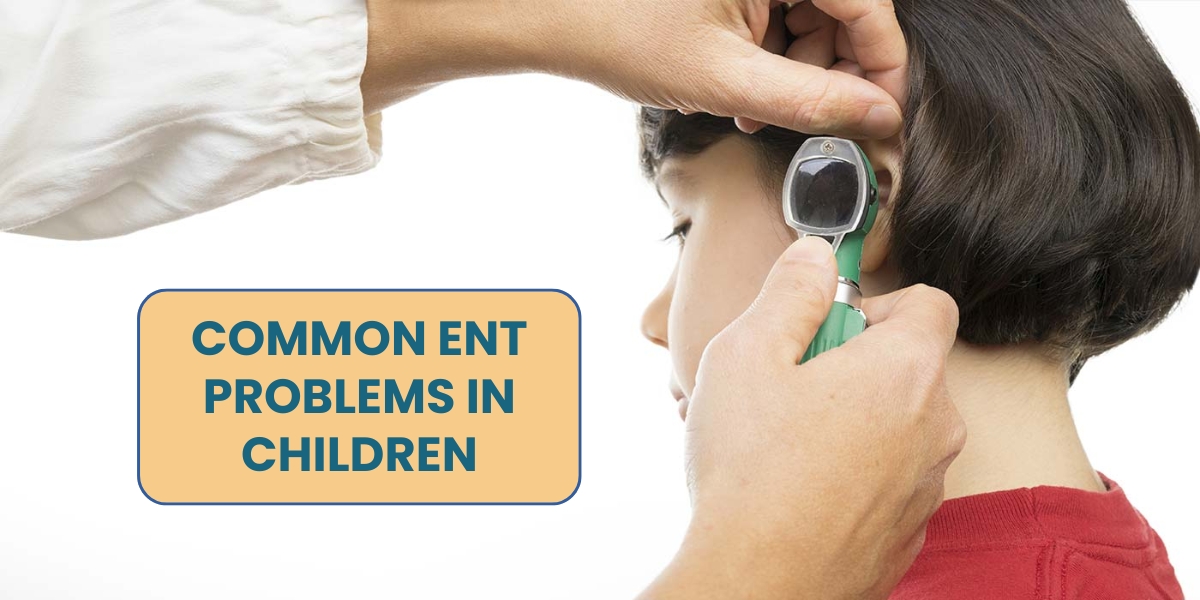
Common ENT Problems in Children: What Parents Need to Know
Common ENT Problems in Children: What Parents Need to Know As parents, ensuring the health and well-being of your child is always a top priority. One area that often requires attention is ear, nose, and throat (ENT) health. Children are particularly susceptible to ENT issues due to their developing immune systems and frequent exposure to germs at school or daycare. Understanding the most common ENT problems in children can help you identify symptoms early and seek timely medical care. 1. Ear Infections (Otitis Media) Ear infections are one of the most common ENT problems in children. They occur when fluid builds up in the middle ear, often due to a cold, allergy, or sinus infection. Symptoms to Watch For: Ear pain or pulling at the ears Difficulty hearing or responding to sounds Fluid drainage from the ear Irritability or fussiness Fever What Parents Can Do: If your child shows signs of an ear infection, consult an ENT specialist. Dr. Rohit Prasad can provide accurate diagnosis and treatment, which may include antibiotics or ear drops. 2. Tonsillitis Tonsillitis is the inflammation of the tonsils, usually caused by a viral or bacterial infection. It is common in children and can lead to discomfort and difficulty swallowing. Symptoms to Watch For: Sore throat Swollen tonsils with white or yellow patches Fever Bad breath Difficulty swallowing What Parents Can Do: If your child has recurrent tonsillitis, it may be necessary to consult an ENT specialist. In some cases, a tonsillectomy (removal of the tonsils) may be recommended. 3. Allergic Rhinitis Allergic rhinitis, or hay fever, is a common condition in children, especially during pollen season or due to exposure to dust mites, pet dander, or mold. Symptoms to Watch For: Sneezing Runny or stuffy nose Itchy eyes, nose, or throat Watery eyes Fatigue What Parents Can Do:Identify and minimize exposure to allergens. If symptoms persist, an ENT specialist like Dr. Rohit Prasad can recommend antihistamines, nasal sprays, or allergy testing. 4. Sinusitis Sinusitis occurs when the sinuses become inflamed, often due to a cold or allergy. It can cause significant discomfort in children. Symptoms to Watch For: Nasal congestion Thick yellow or green nasal discharge Cough Facial pain or pressure Fever What Parents Can Do: If symptoms last more than 10 days, consult an ENT specialist. Treatment may include decongestants, saline sprays, or antibiotics if a bacterial infection is present. 5. Sleep Apnea Sleep apnea in children is often caused by enlarged adenoids or tonsils, which can obstruct the airway during sleep. Symptoms to Watch For: Loud snoring Pauses in breathing during sleep Restless sleep Daytime fatigue or irritability Bedwetting What Parents Can Do: If you suspect sleep apnea, consult an ENT specialist. Dr. Rohit Prasad can evaluate your child and recommend treatments such as adenoidectomy or tonsillectomy if necessary. When to Consult an ENT Specialist While some ENT issues can be managed at home, persistent or severe symptoms require professional care. If your child experiences recurrent ear infections, chronic sinusitis, breathing difficulties, or sleep disturbances, it’s time to consult an ENT specialist. Consult Dr. Rohit Prasad, a renowned ENT specialist in Bhosari and Moshi, offers expert care for children’s ENT problems. Recent Post Common ENT Problems in Children: What Parents Need to Know Sleep Apnea: Causes, Symptoms & Treatment What are Common ENT Problems in Old Age? Common ENT (Ear, Nose & Throat) Diseases How to Maintain Proper Ear Hygiene: Dos and Don’ts contact us Name(Required) First Phone(Required)Your Message(Required)CAPTCHA

Ear Infections: Causes, Symptoms, and Treatment Options
Ear Infections: Causes, Symptoms, and Treatment Options Ear infections are a common health issue that can affect people of all ages, from infants to adults. While they are often painful and uncomfortable, understanding their causes, symptoms, and treatment options can help you manage and prevent them effectively. What Causes Ear Infections? Ear infections, also known as otitis media, occur when the middle ear becomes inflamed due to bacterial or viral infections. Some common causes include: Upper Respiratory Infections: Colds, flu, or sinus infections can lead to fluid buildup in the ear, creating a breeding ground for bacteria. Allergies: Allergic reactions can cause congestion and block the Eustachian tubes, increasing the risk of infection. Swimming or Water Exposure: Excess moisture in the ear can lead to “swimmer’s ear,” a type of outer ear infection. Smoking or Secondhand Smoke: Exposure to smoke can irritate the Eustachian tubes and increase the likelihood of infections. Anatomical Factors: Children are more prone to ear infections due to their smaller, more horizontal Eustachian tubes. Symptoms of Ear Infections The symptoms of ear infections can vary depending on the type and severity of the infection. Common signs include: Ear Pain: A sharp, dull, or throbbing pain in the ear is the most common symptom. Hearing Loss: Temporary hearing difficulties may occur due to fluid buildup. Fluid Drainage: Pus or fluid may drain from the affected ear. Fever: Especially in children, ear infections can cause a high fever. Irritability: Infants and young children may become fussy or cry more than usual. Dizziness or Balance Issues: The inner ear plays a key role in balance, so infections can cause dizziness. Treatment Options for Ear Infections The treatment for ear infections depends on the cause and severity. Here are some common approaches: Antibiotics: If the infection is bacterial, your doctor may prescribe antibiotics to clear the infection. Pain Relievers: Over-the-counter pain medications like ibuprofen or acetaminophen can help reduce pain and fever. Ear Drops: Medicated ear drops may be recommended for outer ear infections. Warm Compress: Applying a warm cloth to the affected ear can help alleviate pain. Surgical Intervention: In chronic cases, a minor surgical procedure to insert ear tubes may be necessary to drain fluid and prevent future infections. Preventing Ear Infections Prevention is always better than cure. Here are some tips to reduce the risk of ear infections: Practice good hygiene to avoid colds and flu. Keep your ears dry, especially after swimming or bathing. Avoid smoking and exposure to secondhand smoke. Stay up-to-date with vaccinations, such as the flu and pneumococcal vaccines. Address allergies promptly to prevent congestion. When to See a Doctor If you or your child experience severe ear pain, persistent symptoms, or hearing loss, it’s important to seek medical attention. Early diagnosis and treatment can prevent complications like hearing damage or chronic infections. Dr. Rohit Prasad – ENT Specialist in Bhosari, Moshi If you are in Bhosari, Moshi, or the surrounding areas and need expert care for ear infections or other ear, nose, and throat issues, Dr. Rohit Prasad is here to help. As a highly skilled ENT specialist, Recent Post Ear Infections: Causes, Symptoms, and Treatment Options Common ENT Problems in Children: What Parents Need to Know Sleep Apnea: Causes, Symptoms & Treatment What are Common ENT Problems in Old Age? Common ENT (Ear, Nose & Throat) Diseases contact us Name(Required) First Phone(Required)Your Message(Required)CAPTCHA

Sleep Apnea: Causes, Symptoms & Treatment
Sleep Apnea: Causes, Symptoms & Treatment Sleep apnea is a common yet often misunderstood sleep disorder that affects millions of people worldwide. Characterized by repeated interruptions in breathing during sleep, it can lead to severe health complications if left untreated. Understanding the causes, symptoms, and available treatment options is vital for those affected, as early intervention can significantly improve quality of life. Understanding Sleep Apnea Sleep apnea occurs when an individual’s breathing is disrupted during sleep. The most common type is obstructive sleep apnea (OSA), which happens when the throat muscles relax excessively while sleeping. Central sleep apnea (CSA) is less common and occurs due to a failure of the brain to send proper signals to the muscles that control breathing. Complex sleep apnea syndrome, a combination of both OSA and CSA, is also a possibility. Causes of Sleep Apnea Excess Weight: One of the primary risk factors for sleep apnea is obesity. The excess fat around the neck can obstruct airways, leading to breathing difficulties during sleep. Anatomical Factors: Abnormalities in the structure of the skull and neck can lead to sleep apnea. Enlarged tonsils, a thick neck, or a recessed chin can contribute to airway obstruction. Age: Sleep apnea can occur at any age but is more prevalent among older adults. As people age, muscle tone decreases, increasing the risk of airway collapse during sleep. Gender: Men are more likely to develop sleep apnea compared to women. However, hormonal changes in women, particularly during menopause, can elevate their risk. Lifestyle Choices: Smoking, alcohol consumption, and sedative use can all relax the airway muscles, exacerbating sleep apnea episodes. Medical Conditions: Conditions such as hypertension, diabetes, and heart disease can contribute to the severity of sleep apnea. Symptoms of Sleep Apnea Recognizing the symptoms of sleep apnea is crucial for early detection and treatment. Common symptoms include: Loud Snoring: Frequent and loud snoring is often the most noticeable symptom. It may be accompanied by choking or gasping for air during sleep. Excessive Daytime Sleepiness: Those with sleep apnea often experience extreme fatigue during the day due to interrupted sleep cycles. Morning Headaches: Frequent morning headaches can result from altered oxygen levels during sleep. Difficulty Concentrating: Sleep apnea can lead to cognitive deficits, including problems with attention, memory, and decision-making. Irritability and Mood Changes: Decreased quality of sleep can affect mood, leading to irritability or even depression. Treatments for Sleep Apnea Lifestyle Changes: Weight loss, physical activity, and avoiding alcohol and sedatives can make a significant difference in managing sleep apnea. Continuous Positive Airway Pressure (CPAP): This commonly prescribed device helps keep the airway open during sleep by providing a steady stream of air. Oral Appliances: Dental appliances that reposition the jaw can be effective for those with mild to moderate sleep apnea. Surgery: In severe cases, surgical options may be considered to remove the excess tissue in the throat or to correct anatomical issues. Sleep Positioning: For some, simply avoiding back sleeping can alleviate symptoms, as this position can worsen airway obstruction. Seeking Help in Bhosari and Moshi If you suspect that you or someone you know may be suffering from sleep apnea, seeking professional help is essential. In Bhosari and Moshi, Dr. Roht Prasad offers expert evaluation and treatment options for sleep apnea at Dr. Prasas ENT Hospital. With a commitment to patient care and advanced treatment options. Sleep apnea is a serious condition that requires attention and appropriate management. Understanding its causes, recognizing symptoms, and pursuing effective treatments can significantly enhance your quality of life. If you are in Bhosari or Moshi and are looking for Sleep Apnea Treatment, consult with Dr. Roht Prasad for personalized care. Don’t let sleep apnea control your life; take the first step towards a restful night’s sleep today. Recent Post Sleep Apnea: Causes, Symptoms & Treatment What are Common ENT Problems in Old Age? Common ENT (Ear, Nose & Throat) Diseases How to Maintain Proper Ear Hygiene: Dos and Don’ts contact us Name(Required) First Phone(Required)Your Message(Required)CAPTCHA
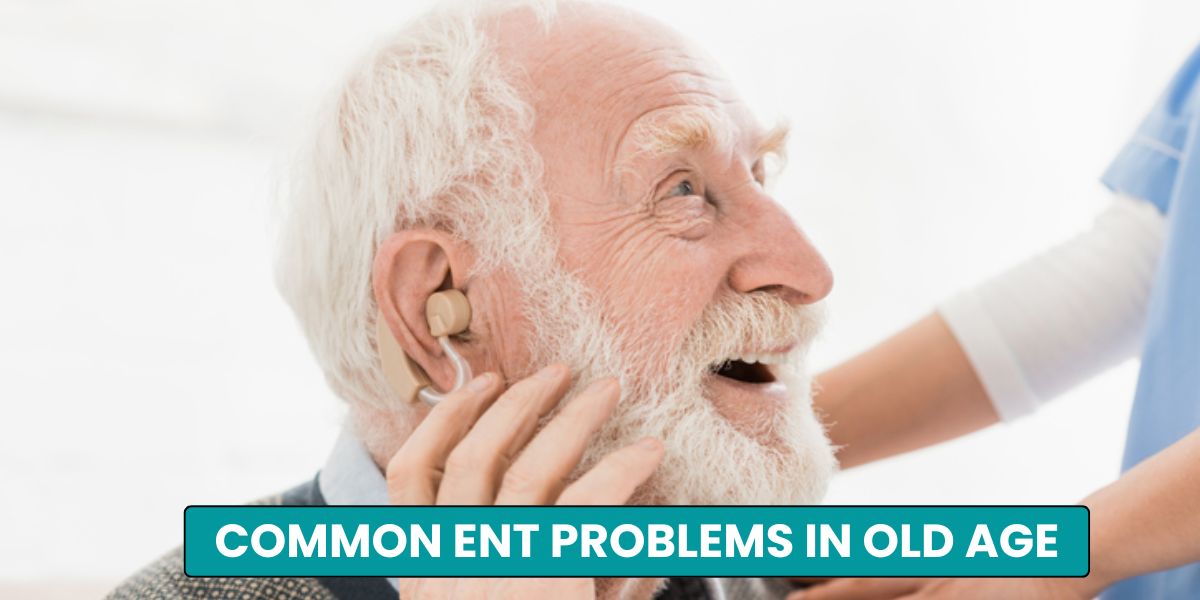
What are Common ENT Problems in Old Age?
What are Common ENT Problems in Old Age? As we age, our bodies undergo various changes, and our ears, nose, and throat (ENT) are no exception. Recognizing and addressing common ENT problems in older adults is crucial for maintaining overall health and well-being. 1. Hearing Loss One of the most common ENT problems in old age is hearing loss, primarily due to age-related changes in the auditory system. Presbycusis, the medical term for age-related hearing loss, can affect the ability to hear high-frequency sounds and understand speech, especially in noisy environments. Management Tips: Regular hearing tests are essential for early detection. Hearing aids and assistive listening devices can improve quality of life. Communication strategies, such as facing the person speaking, can also help. 2. Tinnitus Tinnitus, the perception of ringing or buzzing sounds in the ears, is another frequent issue among older adults. It can be exacerbated by hearing loss, exposure to loud noises, and certain medications. Management Tips: Consult an ENT specialist like Dr. Rohit Prasad for evaluation and management options, which can include sound therapy or counseling. Avoiding noise exposure and managing stress can also alleviate symptoms. 3. Sinus Problems Chronic sinusitis is common in older adults, leading to symptoms such as nasal congestion, facial pain, and postnasal drip. Changes in the immune system and physical structures of the nasal passages can contribute to this condition. Management Tips: Stay hydrated and use saline nasal sprays for moisture. Antibiotics or corticosteroids may be prescribed by an ENT specialist if there is a bacterial infection. In some cases, surgical options are available to improve drainage. 4. Throat Disorders Older adults may experience a range of throat issues, including difficulty swallowing (dysphagia), a chronic cough, or hoarseness. These symptoms can stem from age-related muscle changes or underlying health conditions. Management Tips: Regular check-ups with an ENT specialist can help diagnose and treat throat issues. Speech therapy may be beneficial for those struggling with swallowing. 5. Ear Infections Although less common than in younger populations, older adults can still suffer from ear infections, particularly those who have hearing aids or frequently experience sinus problems. Management Tips: It’s important to seek prompt treatment to avoid complications. Preventive measures include proper hygiene and avoiding moisture in the ears. Visit the Best ENT Hospital Awareness of these common ENT problems in old age is important for seniors and their caregivers. Regular check-ups with an ENT Docotr, such as Dr. Rohit Prasad – One of the best ENT Specialist in Bhosari, Moshi Areas of Pune, can significantly improve the management of these issues. Early intervention not only enhances comfort but also contributes to a better quality of life. If you or a loved one are experiencing any of these symptoms, schedule a consultation with Dr. Rohit Prasad to explore treatment options. Recent Post What are Common ENT Problems in Old Age? Common ENT (Ear, Nose & Throat) Diseases How to Maintain Proper Ear Hygiene: Dos and Don’ts contact us Name(Required) First Phone(Required)Your Message(Required)CAPTCHA