
Chronic Sinusitis: When Is It Time for Functional Endoscopic Sinus Surgery (FESS)?
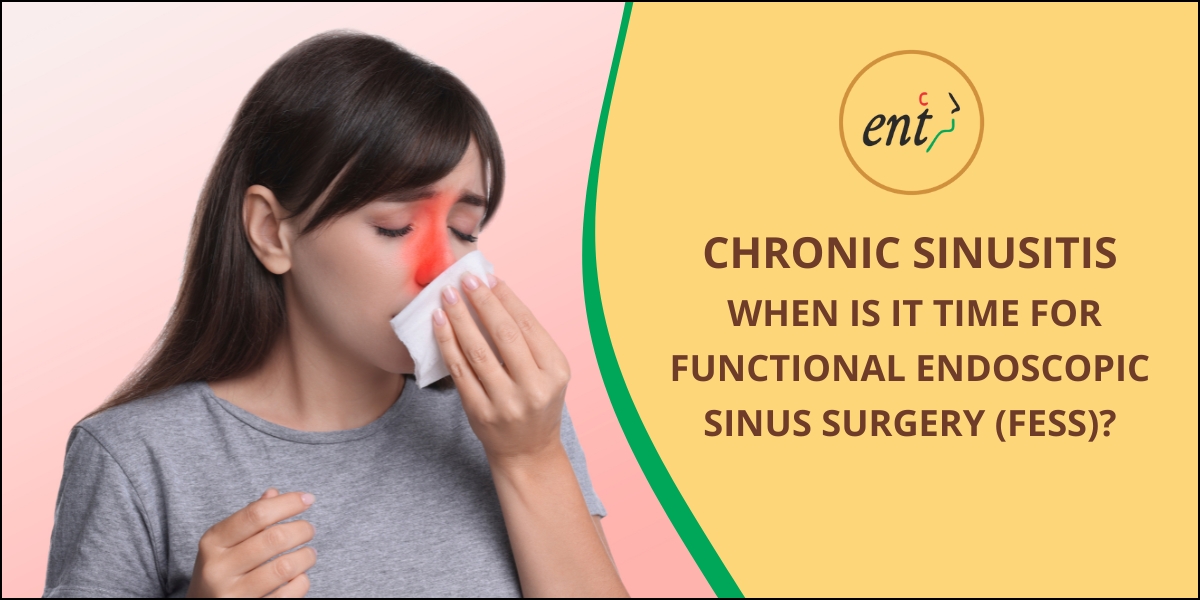
If you’re struggling with chronic sinusitis, you know it’s more than just a stubborn cold. It’s a relentless cycle of facial pressure, congestion, headaches, and fatigue that can diminish your quality of life. Despite trying countless medications, nasal sprays, and home remedies, the relief is often temporary. When conservative treatments fall short, many patients and their doctors begin to discuss a highly effective surgical option: Functional Endoscopic Sinus Surgery (FESS). But how do you know when it’s truly time to consider this step?
Understanding Chronic Sinusitis
Chronic sinusitis is defined as inflammation of the sinuses lasting for 12 weeks or longer, despite treatment attempts. Common symptoms include:
- Nasal obstruction or congestion
- Thick, discolored nasal drainage
- Facial pain, pressure, or fullness
- Reduced sense of smell (anosmia)
- Headaches and fatigue
When medications like antibiotics, corticosteroids, and saline irrigations fail to provide sustained relief, the inflammation may be caused by a persistent physical blockage or anatomical issue that needs to be addressed.
What is Functional Endoscopic Sinus Surgery (FESS)?
FESS is a minimally invasive procedure that has revolutionized sinus surgery. Using a tiny, lighted endoscope, a skilled ENT surgeon enters the nasal passages to:
-
Remove blockages (like polyps or swollen tissue)
-
Widen natural drainage pathways of the sinuses
-
Restore normal sinus function and ventilation
The goal is not to “remove” sinuses but to open them, allowing them to drain properly and for medications to work more effectively. Recovery is typically faster and less painful than with older surgical techniques.
Key Signs It Might Be Time for FESS
Consider discussing FESS with your ENT specialist if you experience:
-
Failed Maximum Medical Therapy: You have diligently followed a doctor-prescribed regimen of treatments (including nasal steroid sprays, courses of antibiotics or oral steroids, and saline irrigation) for several months with little to no improvement.
-
Recurrent Acute Infections: You suffer from four or more significant sinus infections in a year, each requiring medication.
-
Nasal Polyps: You have developed nasal polyps that obstruct sinus drainage and do not shrink sufficiently with steroid treatments.
-
Anatomical Obstructions: A CT scan reveals structural issues like a severely deviated septum, enlarged turbinates, or narrow sinus openings that contribute to the problem.
-
Complications or Severe Symptoms: You experience complications such as frequent asthma flares linked to sinusitis, or your symptoms are severely impacting your daily life, sleep, and work.
The decision to proceed with FESS is made collaboratively between you and your ENT surgeon after a detailed evaluation, which almost always includes a CT scan of the sinuses to map the anatomy and inflammation.
Expert Sinusitis Care in Pune: Dr. Rohit Prasad
For those seeking lasting relief from chronic sinusitis in the Pune. Dr. Rohit Prasad offers expert diagnosis and advanced treatment options, including Functional Endoscopic Sinus Surgery (FESS). As a trusted ENT specialist, Dr. Rohit If you are searching for effective sinusitis treatment in Bhosari, PCMC, Pune, or a skilled ENT surgeon in Pune for nasal polyp removal or chronic sinus infection treatment, consulting with an experienced professional like Dr. Rohit Prasad is a critical step toward breathing freely again.
Visit : Dr. Rohit Prasad | ENT Doctor in Bhosari, Moshi | ENT Specialist | Dr. Prasad ENT Hospital
Address : first floor, Glorious Crown, Shop No 103, 104, 105, Spine Rd, Bhosari, Pimpri-Chinchwad, Pune
Contact Number : 97025 74417
FAQs on Chronic Sinusitis & FESS
1. What is the recovery time for FESS surgery?
Most patients return to light work within a week. Full recovery, with complete healing and final results, typically takes 4-6 weeks. Strenuous activity should be avoided for about two weeks.
2. Is FESS a major surgery?
FESS is considered a minimally invasive, major outpatient surgery. While it is a significant procedure performed under anesthesia, it uses small endoscopes without external incisions, leading to less discomfort and quicker recovery than traditional surgery.
3. What are the risks of sinus surgery?
Risks are low but can include bleeding, infection, changes in smell or taste, tear duct injury, or rare complications like cerebrospinal fluid leak. An experienced surgeon minimizes these risks.
4. How successful is FESS surgery?
Success rates are high, with over 85-90% of patients experiencing significant, long-term improvement in their symptoms and quality of life. It is not a cure for sinusitis but a powerful tool to manage it effectively.
5. Can sinus polyps come back after FESS?
Yes, polyps can recur, as FESS removes them but does not cure the underlying inflammatory tendency. However, surgery often makes future polyps easier to manage with medication and can prevent severe re-obstruction for many years.