

Common ENT (Ear, Nose & Throat) Diseases The ear, nose, and throat (ENT) are vital organs that play significant roles in communication, breathing, hearing, and overall well-being. However, these areas are susceptible to numerous conditions that can disrupt daily life and health. Below, we delve into the most common ENT diseases, their symptoms, causes, and potential treatments to help individuals recognize and address these issues promptly. Common Ear Diseases 1. Otitis Media (Middle Ear Infection) Otitis media is an inflammation of the middle ear, commonly caused by bacterial or viral infections. Symptoms: Ear pain, fever, hearing loss, and fluid drainage. Causes: Blocked Eustachian tubes, respiratory infections, or allergies. Treatment: Antibiotics, decongestants, or in severe cases, surgical drainage (myringotomy). 2. Tinnitus Tinnitus is the perception of ringing or buzzing sounds in the ears without any external source. Symptoms: Persistent noise in the ears, difficulty concentrating, and sleep disturbances. Causes: Noise exposure, age-related hearing loss, or earwax blockage. Treatment: Sound therapy, medications, or lifestyle changes. 3. Hearing Loss Hearing loss can be conductive, sensorineural, or mixed, affecting one or both ears. Symptoms: Difficulty understanding speech, muffled hearing, and social withdrawal. Causes: Aging, noise exposure, infections, or genetic factors. Treatment: Hearing aids, cochlear implants, or surgery, depending on the type. Common Nose Diseases 1. Allergic Rhinitis Allergic rhinitis, or hay fever, results from an overreaction of the immune system to allergens. Symptoms: Sneezing, nasal congestion, runny nose, and itchy eyes. Causes: Pollen, dust mites, mold, or pet dander. Treatment: Antihistamines, nasal sprays, and allergen avoidance. 2. Sinusitis Sinusitis is the inflammation of the sinuses due to infection or allergies. Symptoms: Facial pain, headache, nasal discharge, and fever. Causes: Viral infections, bacteria, or chronic allergies. Treatment: Decongestants, antibiotics, or sinus surgery for chronic cases. 3. Nasal Polyps Nasal polyps are noncancerous growths in the nasal passages. Symptoms: Blocked nasal breathing, reduced sense of smell, and recurrent infections. Causes: Chronic inflammation, asthma, or allergies. Treatment: Corticosteroids, nasal sprays, or surgical removal. Common Throat Diseases 1. Tonsillitis Tonsillitis refers to the inflammation of the tonsils, often due to infections. Symptoms: Sore throat, fever, difficulty swallowing, and swollen lymph nodes. Causes: Viral or bacterial infections, including Streptococcus. Treatment: Antibiotics for bacterial cases or surgical removal (tonsillectomy) for chronic tonsillitis. 2. Laryngitis Laryngitis is the inflammation of the larynx, commonly affecting the voice. Symptoms: Hoarseness, loss of voice, sore throat, and dry cough. Causes: Viral infections, overuse of voice, or irritants like smoke. Treatment: Voice rest, hydration, and avoiding irritants. 3. Gastroesophageal Reflux Disease (GERD) GERD often affects the throat due to acid reflux. Symptoms: Sore throat, hoarseness, difficulty swallowing, and heartburn. Causes: Weak esophageal sphincter, certain foods, or obesity. Treatment: Antacids, dietary changes, and medications like proton pump inhibitors. When to See an ENT Specialist It is crucial to consult an ENT specialist if you experience: Persistent ear pain or hearing loss. Chronic sinus congestion or difficulty breathing. Recurring throat infections or voice changes.Early diagnosis and treatment can prevent complications and improve quality of life. Looking for the ent treatment in Bhosari, Visit Dr. Prasad ENT Hospital Preventing ENT Diseases Maintain Hygiene: Regularly clean your ears and wash your hands to prevent infections. Avoid Allergens: Minimize exposure to known triggers like pollen or dust. Stay Hydrated: Drinking plenty of water helps maintain healthy mucous membranes. Protect Your Hearing: Use earplugs in noisy environments to avoid hearing damage. Quit Smoking: Smoking irritates the throat and nose, increasing disease risks. Dr. Rohit Prasad – ENT Specialist in Bhosari Meet Dr. Rohit Prasad a highly skilled and experienced ENT specialist in Bhosari, providing comprehensive care for a wide range of ear, nose, and throat disorders. With expertise in diagnosing and treating conditions such as sinusitis, hearing loss, allergic rhinitis, and tonsillitis. Recent Post Common ENT (Ear, Nose & Throat) Diseases How to Maintain Proper Ear Hygiene: Dos and Don’ts contact us Name(Required) First Phone(Required)Email(Required) Your Message(Required)CAPTCHA
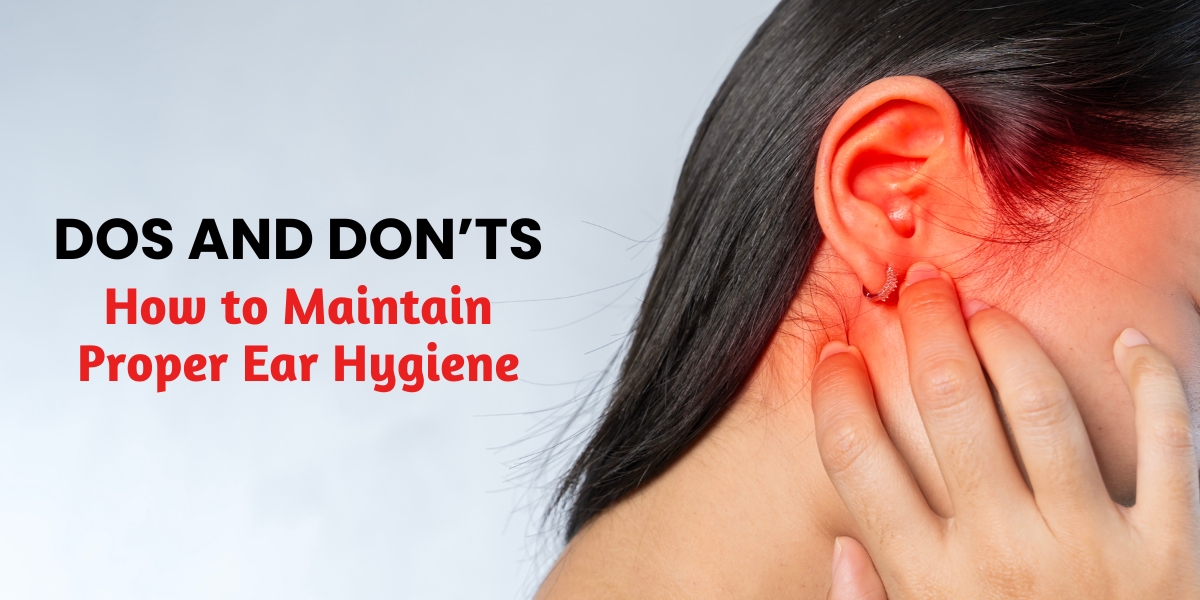
How to Maintain Proper Ear Hygiene: Dos and Don’ts
How to Maintain Proper Ear Hygiene: Dos and Don’ts Maintaining proper ear hygiene is essential for protecting your hearing and overall health. Many people overlook the importance of taking care of their ears, which can lead to discomfort, hearing loss, or infections. Understanding the Importance of Ear Hygiene The ear is a delicate and self-cleaning organ that plays a critical role in hearing and balance. However, improper care can lead to issues like earwax buildup, infections, and even damage to the eardrum. Knowing how to maintain good ear hygiene is crucial for avoiding these problems. Dos for Proper Ear Hygiene 1. Keep Your Ears Dry and Clean Moisture in the ears can lead to bacterial and fungal infections. After bathing or swimming, ensure you dry your ears gently using a soft towel or a hairdryer on a low, cool setting. Pay special attention to drying the outer ear, as it is more prone to accumulating moisture. 2. Use Earwax Removal Methods Carefully While earwax serves a protective function by trapping dust and debris, excessive buildup can cause discomfort. If necessary, use over-the-counter earwax removal drops to soften the wax. Consult a healthcare professional for safe earwax removal if you experience persistent blockage. 3. Protect Your Ears in Loud Environments Prolonged exposure to loud noises can damage your hearing. Wear earplugs or noise-canceling headphones in loud environments such as concerts or construction sites. Protecting your ears in these settings reduces the risk of noise-induced hearing loss. 4. Schedule Regular Hearing Checkups Regular visits to an audiologist or ENT specialist can help detect and address potential hearing issues early. Routine checkups are especially important if you work in noisy environments or are prone to ear infections. 5. Practice Good Earphone Hygiene If you frequently use earbuds or headphones, clean them regularly to prevent bacterial buildup. Sharing earphones is not advisable, as it can spread bacteria and increase the risk of ear infections. Don’ts for Proper Ear Hygiene 1. Avoid Using Cotton Swabs One of the most common mistakes people make is using cotton swabs to clean their ears. Cotton swabs can push earwax deeper into the ear canal, leading to blockages or even injury to the eardrum. Let your ears self-clean, or seek professional help for deep cleaning. 2. Don’t Insert Foreign Objects into Your Ears Never use sharp or pointed objects to remove earwax or scratch your ear canal. This can cause scratches, infections, or even perforation of the eardrum. 3. Avoid Excessive Ear Cleaning Over-cleaning can strip the ears of their natural protective wax, leaving them vulnerable to infections. Clean your outer ear with a damp cloth, but avoid digging into the ear canal. 4. Don’t Ignore Symptoms of Ear Problems If you experience symptoms like pain, discharge, hearing loss, or ringing in the ears (tinnitus), don’t ignore them. Seek medical attention promptly to address the underlying issue. 5. Avoid Swimming in Contaminated Water Swimming in polluted water can introduce harmful bacteria into your ears, leading to infections such as swimmer’s ear. Always wear earplugs designed for swimming if you’re unsure about the water quality. Signs of Poor Ear Hygiene Knowing the warning signs of poor ear hygiene can help you take timely action. Look out for: If you notice any of these symptoms, consult Dr. Rohit Prasad is one of best ENT Specialist in Bhosari, Pune Tips for Children’s Ear Hygiene Children are particularly vulnerable to ear infections and injuries. Teach them the importance of gentle ear care and monitor their habits. Avoid letting children insert objects into their ears and encourage them to use ear protection in noisy environments. Natural Remedies for Ear Health 1. Warm Compress A warm compress can help relieve ear pain caused by wax buildup or minor infections. Apply it gently to the outer ear for 10–15 minutes. 2. Olive Oil Drops Olive oil can soften hardened earwax, making it easier to remove. Warm a few drops of olive oil and carefully administer them into the ear canal. 3. Stay Hydrated Drinking plenty of water helps maintain overall body health, including proper ear function. Adequate hydration supports the natural process of earwax movement. Recent Post Common ENT (Ear, Nose & Throat) Diseases How to Maintain Proper Ear Hygiene: Dos and Don’ts contact us Name(Required) First Phone(Required)Email(Required) Your Message(Required)CAPTCHA